
Zydus-RK Pharma license supportive care injectable, biomimetics market forecast to reach $73.6B by 2034, and Hong Kong approves IASO Bio’s CAR-T as device quality vigilance persists
The Thanksgiving holiday did not pause global healthcare innovation. While U.S. markets closed and domestic regulatory activity quieted, international developments in oncology supportive care, medical biomimetics, and cell therapy advanced — signaling strategic themes that will shape 2026: fast-cycle regulatory pathways, materials science convergence with medical devices, and accelerating Asia-Pacific adoption of advanced therapies.
Zydus Lifesciences and RK Pharma finalized an exclusive U.S. licensing agreement for a next-generation sterile injectable in oncology supportive care, leveraging the FDA’s 505(b)(2) pathway for faster, lower-risk approval. Separately, market analysis projects medical biomimetics — biologically inspired devices and materials — to double from $35.7 billion (2024) to $73.6 billion by 2034. And Hong Kong’s approval of IASO Bio’s CAR-T therapy Fucaso for relapsed/refractory multiple myeloma extends the global cell therapy footprint beyond traditional Western markets.
These developments underscore a sector increasingly defined by regulatory efficiency, cross-border commercialization, and the convergence of biology with materials science — even as device quality scrutiny from the Abbott CGM correction continues to reverberate through manufacturing and post-market surveillance standards.
Zydus & RK Pharma Finalize U.S. Licensing Deal for Supportive-Oncology 505(b)(2) Injectable
The Strategic 505(b)(2) Licensing Agreement
Zydus Lifesciences (Indian multinational pharmaceutical company) and RK Pharma (specialized U.S.-focused pharmaceutical partner) signed an exclusive agreement covering a next-generation sterile injectable designed to improve dosing reliability and safety in oncology supportive care.
Key deal parameters:
While specific financial terms were not disclosed, the partnership structure reflects typical 505(b)(2) licensing dynamics:
- Exclusive U.S. rights: RK Pharma gains exclusive commercialization rights in the United States
- Development responsibilities: Likely shared between Zydus (manufacturing, clinical execution) and RK Pharma (U.S. regulatory strategy, commercialization)
- Regulatory pathway: 505(b)(2) application enabling abbreviated development timeline
- Target market: Oncology supportive care (antiemetics, growth factors, hydration/electrolyte management, or similar)
What is oncology supportive care?
Supportive care drugs don’t treat the cancer itself but manage the side effects and complications of cancer treatment:
- Antiemetics: Prevent chemotherapy-induced nausea and vomiting (CINV)
- Growth factors: Hematopoietic growth factors like G-CSF (filgrastim, pegfilgrastim) preventing neutropenia
- Bisphosphonates/denosumab: Preventing skeletal-related events in bone metastases
- Electrolyte/hydration support: Managing chemotherapy-related metabolic disturbances
- Pain management: Opioids and adjunctive analgesics
- Mucositis treatments: Oral and GI mucositis prevention/treatment
The specific product was not identified, but “next-generation sterile injectable designed to improve dosing reliability” suggests:
- Reformulation of existing supportive care agent with improved stability, dosing convenience, or safety profile
- Extended-release or long-acting formulation reducing administration frequency
- Ready-to-use formulation eliminating reconstitution steps and reducing medication errors
- Novel delivery device integrated with the injectable (pre-filled syringe, auto-injector, infusion system)
Understanding the 505(b)(2) Regulatory Pathway
The FDA’s 505(b)(2) pathway is a hybrid approval route that has become increasingly attractive for pharmaceutical companies seeking faster, lower-risk market entry:
What 505(b)(2) allows:
A 505(b)(2) New Drug Application (NDA) permits the sponsor to rely, in part, on data not generated by the applicant — typically published literature or the FDA’s prior findings regarding a previously approved drug (the “reference listed drug” or RLD).
Compared to other pathways:
| Pathway | Clinical Data Required | Development Timeline | Development Cost | Use Cases |
|---|---|---|---|---|
| 505(b)(1) – Full NDA | Complete clinical program (Phase 1-3) | 8-12+ years | $1-2B+ | Novel molecular entities, new indications without prior data |
| 505(b)(2) – Hybrid | Partial clinical data; can reference published literature or RLD | 3-7 years | $100-500M | Reformulations, new combinations, new routes of administration, new dosing regimens |
| ANDA – Generic | Bioequivalence only | 2-4 years | $1-5M | Generic copies after patent expiration |
Common 505(b)(2) strategies:
Reformulation:
- IV to subcutaneous conversion
- Immediate-release to extended-release
- Solution to ready-to-use suspension
- New salt or ester form
Combination products:
- Two previously approved drugs combined in fixed dose
- Drug + device combination
New route of administration:
- Oral to injectable
- Injectable to inhaled
- Systemic to topical
Dosing regimen changes:
- Daily to weekly or monthly administration
- Different dosing schedule for improved compliance or efficacy
Why 505(b)(2) is attractive:
Reduced development risk:
- Mechanism of action already validated (using approved reference drug)
- Safety profile largely characterized (leveraging RLD’s safety database)
- Dosing ranges established (can build on known effective doses)
Faster timelines:
- Skip Phase 1 dose-finding if relying on RLD dosing
- Phase 2 may be limited or eliminated if bridging studies sufficient
- Phase 3 trials smaller (proving your formulation works, not proving the drug works)
Lower costs:
- $100-500M total development cost vs. $1-2B+ for novel drug
- Smaller, shorter trials = lower CRO costs
- Less regulatory uncertainty
Market differentiation despite existing drugs:
- Improved convenience (less frequent dosing)
- Better safety (reduced side effects from formulation improvements)
- Ease of use (ready-to-use vs. requiring reconstitution)
- Competitive pricing (lower development cost enables competitive positioning vs. RLD)
Regulatory challenges:
Patent landscape:
- Must navigate existing patents on reference drug
- Formulation patents, method of use patents, device patents all potential barriers
- Paragraph IV certifications if challenging patents
- Risk of patent litigation delaying market entry
Exclusivity limitations:
- May receive 3 years new clinical investigation exclusivity (vs. 5 years for new molecular entity)
- Reference drug may still have unexpired exclusivity preventing approval
- Competitive generics may launch simultaneously if reference drug off-patent
Clinical requirements can vary:
- FDA may require more data than expected
- Sometimes clinical program approaches full 505(b)(1) scale
- Regulatory clarity improves with pre-submission meetings but not guaranteed
Zydus’ 505(b)(2) Strategy
This licensing deal aligns with Zydus Lifesciences’ broader strategic approach:
Company background:
Zydus Lifesciences (formerly Cadila Healthcare):
- Indian multinational pharmaceutical company
- Strong generic and specialty pharmaceutical portfolio
- Significant API (active pharmaceutical ingredient) manufacturing capabilities
- History of complex injectable formulations
- Expanding U.S. presence through partnerships and direct filings
Strategic rationale for 505(b)(2) focus:
Leverages core competencies:
- Formulation expertise (developing improved versions of existing drugs)
- Manufacturing scale (sterile injectables require specialized facilities)
- Regulatory experience (navigating FDA pathways)
- Cost efficiency (India-based development lower cost than U.S./EU)
Lower risk profile:
- Proven molecules reduce clinical failure risk
- Smaller capital requirements than novel drug development
- Faster time to market and revenue generation
- Portfolio diversification across multiple 505(b)(2) programs
Partnerships provide U.S. market access:
- Zydus develops product and manages manufacturing
- U.S. partner (RK Pharma) handles commercialization, distribution, sales
- Risk-sharing structure (milestones, profit-sharing, royalties)
RK Pharma’s Role
RK Pharma appears positioned as a U.S.-focused commercialization partner:
Typical partner profile for such deals:
Capabilities RK Pharma likely provides:
- U.S. regulatory expertise and FDA relationship management
- Commercialization infrastructure (sales force, distribution, marketing)
- Payer access and reimbursement strategy
- Oncology market knowledge and KOL relationships
- Capital for U.S. launch and commercialization
Why Zydus needs a partner:
- Building U.S. commercial infrastructure expensive and time-consuming
- Oncology sales require specialized expertise (oncology-focused reps, KOL engagement)
- Payer negotiations complex (especially in oncology supportive care with many competitors)
- Partnership accelerates market entry vs. building capabilities organically
Oncology Supportive Care Market Dynamics
Market size and growth:
The global oncology supportive care market is substantial and growing:
- Current market: ~$30-35 billion globally (2024 estimate)
- U.S. market: ~$12-15 billion
- Growth drivers:
- Increasing cancer incidence (aging populations, improved detection)
- More intensive chemotherapy regimens requiring supportive care
- Expanding indications for existing chemotherapies (earlier lines of therapy, adjuvant settings)
- Longer treatment durations (chronic cancer management)
Key therapeutic categories:
Anti-emetics (CINV management):
- 5-HT3 antagonists (ondansetron, granisetron, palonosetron)
- NK1 antagonists (aprepitant, rolapitant)
- Olanzapine (off-label but increasingly used)
- Market size: ~$3-4B globally
Growth factors (hematopoietic support):
- G-CSF (filgrastim, pegfilgrastim – Neulasta, biosimilars)
- ESAs (erythropoiesis-stimulating agents – less commonly used now)
- Market size: ~$6-8B globally (G-CSF dominated)
Bone health:
- Bisphosphonates (zoledronic acid)
- RANKL inhibitor (denosumab – Xgeva)
- Market size: ~$3-4B globally
Other categories:
- Pain management
- Mucositis prevention/treatment
- Diarrhea management
- Hydration and electrolyte support
Competitive dynamics:
Established players:
- Amgen (Neulasta pegfilgrastim, supportive care portfolio)
- Merck (Emend aprepitant)
- Various generic manufacturers (ondansetron, filgrastim biosimilars)
Opportunities for 505(b)(2) products:
- Improved formulations (ready-to-use vs. requiring reconstitution)
- Extended-release versions (less frequent dosing)
- Combination products (multiple supportive care agents in one)
- Novel delivery devices (on-body injectors, auto-injectors)
- Better safety profiles (reduced side effects)
Market Opportunity for Zydus-RK Pharma Product
Addressable U.S. population: ~1.2-1.5 million patients annually
This figure suggests a broad supportive care indication used across many cancer types:
Interpretation:
- Not a niche rare cancer supportive need (would be 10K-100K patients)
- Likely anti-emetic, growth factor, or widely used supportive category
- Applicable across solid tumors and hematologic malignancies
Revenue potential:
Assuming:
- Addressable population: 1.2-1.5M patients/year
- Penetration rate: 10-25% (depending on competitive differentiation and advantages)
- Price per treatment course: $500-$5,000 (varies dramatically by supportive care type)
Conservative scenario (anti-emetic example):
- 10% penetration = 120K-150K patients
- $1,000 per treatment course
- Peak U.S. sales: $120-150M
Optimistic scenario (growth factor example):
- 20% penetration = 240K-300K patients
- $3,000 per treatment course
- Peak U.S. sales: $720M-$900M
Deal value implications:
Typical 505(b)(2) licensing deals in oncology supportive care:
- Upfront payment: $5-25M
- Development milestones: $20-75M
- Regulatory/commercial milestones: $50-150M
- Royalties: Mid-single-digit to low-double-digit percentage of net sales
Strategic Implications
For Zydus:
Portfolio expansion:
- Adds U.S. oncology presence to existing portfolio
- Leverages manufacturing capabilities
- Generates near-term revenue (2-4 years vs. 10+ for novel drugs)
- Platform for additional 505(b)(2) programs
For RK Pharma:
Commercial opportunity:
- Exclusive U.S. rights to differentiated supportive care product
- Lower development risk than novel oncology drugs
- Potential for strong margins if manufacturing cost-effective
- Builds oncology franchise
For oncology providers and patients:
Clinical benefits (if product delivers on promises):
- Improved dosing reliability (fewer medication errors)
- Potentially reduced administration burden (less frequent dosing, ready-to-use)
- Better tolerability (if formulation improvements reduce side effects)
- Continuity of care (if supply chain more robust)
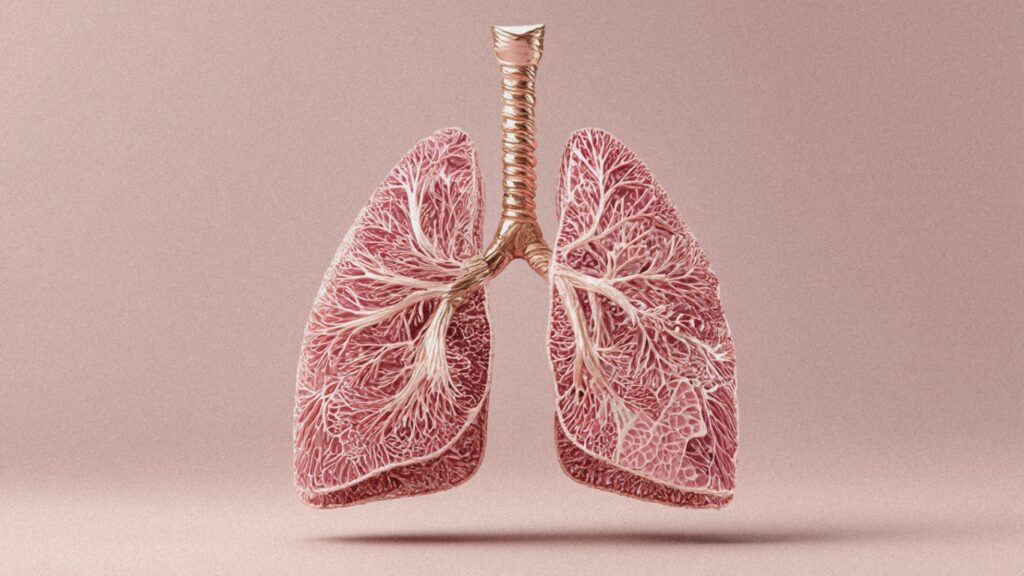
Global Biomimetics Market Projected to Double by 2034
The $73.6 Billion Biomimetics Forecast
A comprehensive market analysis projects medical biomimetics to expand from $35.7 billion (2024) to $73.6 billion (2034), representing approximately 7.5% compound annual growth rate (CAGR) over the decade.
What are medical biomimetics?
Biomimetics (also called biomimicry or biologically inspired design) involves creating materials, devices, and systems that mimic biological structures and functions. In medical applications, this translates to:
Structural mimicry:
- Materials replicating bone architecture (porous scaffolds mimicking trabecular bone)
- Vascular grafts mimicking natural blood vessel compliance and endothelial surface
- Heart valve prosthetics mimicking native valve leaflet mechanics
- Artificial skin replicating dermal and epidermal layers
Functional mimicry:
- Drug delivery systems mimicking natural cellular uptake mechanisms
- Wound healing materials mimicking extracellular matrix signaling
- Implant surfaces promoting natural tissue integration (osseointegration, endothelialization)
- Biosensors mimicking biological receptor-ligand interactions
Examples across medical specialties:
- Orthopedics: Hydroxyapatite bone substitutes, porous titanium implants, meniscus scaffolds
- Cardiovascular: Decellularized tissue grafts, biomimetic heart valves, vascular stents with endothelial-promoting coatings
- Ophthalmology: Corneal substitutes, retinal implants, intraocular lenses mimicking natural crystalline lens
- Regenerative medicine: Collagen scaffolds, ECM-derived materials, growth-factor-releasing implants
- Dentistry: Biomimetic dental composites, bone grafts, periodontal regeneration materials
Growth Drivers: Why Biomimetics is Accelerating
Technological convergence:
Materials science advances:
- Nanotechnology enabling precise control of surface topography and chemistry
- 3D printing (additive manufacturing) creating complex geometries impossible with traditional manufacturing
- Smart materials responding to physiological conditions (pH, temperature, enzymes)
- Bioactive glasses and ceramics with controlled degradation and tissue integration
Biological understanding deepens:
- Single-cell sequencing revealing cellular responses to biomaterials
- Advanced imaging (cryo-EM, super-resolution microscopy) visualizing biomaterial-tissue interfaces
- Extracellular matrix proteomics identifying key signaling molecules
- Mechanobiology understanding how physical cues guide tissue development
Computational design tools:
- Finite element analysis optimizing implant mechanical properties
- Machine learning predicting biomaterial-tissue interactions
- Computational fluid dynamics designing vascular grafts
- Molecular dynamics simulating protein adsorption on biomaterial surfaces
Clinical demand:
Aging populations:
- Orthopedic implants (joint replacements, spinal fusions) increasing
- Cardiovascular interventions (valve replacements, grafts) growing
- Ophthalmic procedures (cataract surgery, corneal transplants) expanding
Regenerative medicine momentum:
- Tissue engineering moving from research to clinical reality
- Cell therapies requiring scaffolds and delivery systems
- Organoids and organ-on-chip requiring biomimetic microenvironments
Chronic disease burden:
- Diabetes driving wound healing biomaterials demand
- Cardiovascular disease requiring vascular grafts and valve replacements
- Osteoarthritis and degenerative joint disease increasing cartilage repair needs
Regulatory pathways maturing:
FDA experience with biomaterials growing:
- Clearer regulatory expectations for tissue-engineered products
- Combination product pathways (device + biologic) more established
- Real-world evidence acceptance for post-market surveillance
- International harmonization (IMDRF) reducing global development costs
Market Segmentation and Opportunities
By therapeutic area:
Orthopedics (largest segment):
- Current: ~$12-15B
- Growth drivers: Aging population, obesity increasing joint wear, younger patients receiving implants
- Biomimetic opportunities: Porous metal implants promoting bone ingrowth, bioactive coatings accelerating osseointegration, meniscus/cartilage scaffolds
Cardiovascular:
- Current: ~$8-10B
- Growth drivers: Valve disease prevalence, peripheral artery disease, heart failure
- Biomimetic opportunities: Tissue-engineered heart valves, small-diameter vascular grafts, cardiac patches
Ophthalmology:
- Current: ~$3-4B
- Growth drivers: Aging (cataracts, macular degeneration), diabetes (retinopathy)
- Biomimetic opportunities: Corneal substitutes, accommodating IOLs, retinal implants
Wound care and tissue regeneration:
- Current: ~$5-7B
- Growth drivers: Diabetes, obesity, aging (impaired wound healing)
- Biomimetic opportunities: ECM-derived scaffolds, growth factor delivery systems, skin substitutes
Dental:
- Current: ~$3-4B
- Growth drivers: Esthetic dentistry demand, implant adoption increasing
- Biomimetic opportunities: Bone grafts, periodontal regeneration, biomimetic composites
By material type:
Natural biomaterials:
- Collagen, hyaluronic acid, chitosan, silk, decellularized ECM
- Advantages: Inherent biocompatibility, bioactivity, degradability
- Challenges: Batch variability, potential immunogenicity, regulatory complexity (animal-derived)
Synthetic biomaterials:
- Polymers (PLGA, PEG, PCL), ceramics (hydroxyapatite, tricalcium phosphate), metals (titanium, magnesium alloys)
- Advantages: Reproducibility, tunable properties, scalable manufacturing
- Challenges: Limited inherent bioactivity (requires surface modification)
Hybrid biomaterials:
- Combining natural and synthetic (e.g., collagen-coated polymer scaffold)
- Advantages: Leverages strengths of both material classes
- Trend: Increasing adoption as manufacturing challenges solved
Key Players and Competitive Dynamics
Established medical device companies expanding biomimetics:
Orthopedics:
- Zimmer Biomet: Porous titanium implants, trabecular metal technology
- Stryker: 3D-printed titanium implants, bioactive surface coatings
- Johnson & Johnson (DePuy Synthes): Bone graft substitutes, regenerative products
- Medtronic: Spinal fusion biologics, bone morphogenetic proteins
Cardiovascular:
- Edwards Lifesciences: Tissue heart valves (TAVR, SAVR)
- Medtronic: Valves, vascular grafts
- Abbott: Vascular closure devices, structural heart
- Boston Scientific: Drug-eluting stents with endothelial-promoting coatings
Regenerative medicine specialists:
- Organogenesis: Bioengineered skin and soft tissue products
- Integra LifeSciences: Dermal regeneration scaffolds
- MTF Biologics: Tissue allografts and processed biologics
- LifeNet Health: Allograft tissue and regenerative products
Emerging companies:
Technology platform companies:
- Tissue engineering startups (3D bioprinting, organoids)
- Biomaterials companies (novel polymers, ceramics, composites)
- Surface modification specialists (coatings, nanotopography)
Investment Implications
Who benefits from biomimetics growth:
Medical device companies with biomimetics portfolios:
- Orthopedic leaders (Zimmer, Stryker, J&J) expanding regenerative offerings
- Cardiovascular device companies (Edwards, Medtronic) advancing tissue-engineered products
- Wound care companies (Organogenesis, Integra) scaling regenerative platforms
Materials science companies:
- Specialty chemical companies supplying medical-grade polymers and ceramics
- Surface coating specialists
- 3D printing companies (Stratasys, 3D Systems) expanding medical applications
Contract development and manufacturing (CDMO):
- Companies specializing in biomaterial manufacturing
- Sterile processing and packaging for biologics-device combinations
- Regulatory consulting for combination products
Risks and challenges:
Regulatory complexity:
- Combination products (device + biologic) face dual regulation
- Long approval timelines for tissue-engineered products
- Post-market surveillance requirements extensive
- International regulatory variation
Reimbursement uncertainty:
- Novel biomimetic products may lack established payment codes
- Payers may question value over existing alternatives
- Health technology assessments stringent for high-cost regenerative products
Manufacturing scalability:
- Many biomimetic products difficult to manufacture at scale
- GMP requirements for biological components
- Lot-to-lot variability challenges
- Cold chain and shelf life limitations
Clinical validation requirements:
- Long-term safety and efficacy data needed
- Comparative effectiveness vs. existing treatments required
- Patient registries for post-market monitoring
- High clinical trial costs (surgical implants require expensive trials)
Hong Kong Regulator Approves IASO Bio’s CAR-T Therapy Fucaso for Relapsed/Refractory Multiple Myeloma
The Hong Kong CAR-T Approval
The Hong Kong Department of Health approved equecabtagene autoleucel (Fucaso), IASO Biotherapeutics’ CAR-T cell therapy targeting BCMA (B-cell maturation antigen) for the treatment of relapsed/refractory multiple myeloma.
Product details:
Equecabtagene autoleucel (Fucaso):
- Target: BCMA (B-cell maturation antigen), expressed on multiple myeloma cells
- CAR construct: Fully human anti-BCMA single-chain variable fragment
- Indication: Adult patients with relapsed or refractory multiple myeloma who have received ≥3 prior lines of therapy
- Manufacturing: Autologous (patient’s own T cells collected, engineered, expanded, re-infused)
IASO Biotherapeutics background:
Company profile:
- Chinese biotech company specializing in cell and gene therapies
- Focus on CAR-T, CAR-NK, and other cellular immunotherapies
- Multiple CAR-T programs in clinical development
- Partnerships with Chinese hospitals and international collaborators
Clinical data supporting approval:
While specific Hong Kong approval package details weren’t disclosed, IASO’s BCMA CAR-T has demonstrated in prior trials:
- Overall response rates: 90-95% in heavily pretreated R/R multiple myeloma
- Complete response rates: 60-75%
- Median progression-free survival: 12-18 months (estimates vary by trial)
- Manageable safety profile with cytokine release syndrome (CRS) and neurotoxicity consistent with class
Multiple Myeloma and BCMA CAR-T Landscape
Disease background:
Multiple myeloma:
- Plasma cell malignancy (abnormal antibody-producing cells in bone marrow)
- Incidence: ~35,000 new cases annually in U.S., ~100,000+ globally
- Median age at diagnosis: ~70 years
- Prognosis: Median survival improved dramatically (5 years → 10+ years with modern therapies) but remains incurable for most patients
- Relapsed/refractory disease: Inevitable for most patients; each relapse more difficult to treat
BCMA as CAR-T target:
Why BCMA is ideal target:
- High expression on myeloma cells (>95% of cases)
- Limited expression on normal tissues (primarily plasma cells)
- Shed BCMA doesn’t prevent CAR-T efficacy significantly
- Multiple BCMA-targeting agents validate target
Approved BCMA CAR-Ts globally:
U.S. and/or EU approved:
- Abecma (ide-cel, idecabtagene vicleucel) – BMS/bluebird bio: First BCMA CAR-T approved (FDA 2021)
- Carvykti (cilta-cel, ciltacabtagene autoleucel) – Janssen/Legend Biotech: Dual-epitope BCMA CAR-T (FDA 2022)
China-approved:
- Multiple domestic BCMA CAR-Ts approved by NMPA (China’s FDA equivalent)
- IASO’s equecabtagene autoleucel among them
- JWCAR129 (BCMA/CD19 dual-target CAR-T), others
Competitive landscape in relapsed/refractory multiple myeloma:
Established therapies:
- Proteasome inhibitors (bortezomib, carfilzomib, ixazomib)
- Immunomodulatory drugs (lenalidomide, pomalidomide)
- Monoclonal antibodies (daratumumab, isatuximab – anti-CD38)
- Bispecific T-cell engagers (teclistamab, elranatamab, talquetamab – BCMA bites)
- ADCs (belantamab mafodotin – BCMA-targeting ADC)
CAR-T positioning:
- Reserved for relapsed/refractory patients after ≥3-4 prior lines
- High response rates (90%+) but not all patients sustain responses
- One-time treatment vs. continuous therapy
- Requires specialized treatment centers
- High cost ($400K-$500K+ in U.S.)
Hong Kong Approval: Strategic Significance
Why Hong Kong approval matters:
Asia-Pacific CAR-T momentum:
- Hong Kong serves as gateway to greater China market
- Approval demonstrates regulatory acceptance of Chinese CAR-T data
- May accelerate filings in Singapore, Taiwan, other APAC markets
- Signals growing regional competitiveness in cell therapy
Competitive pressure on Western manufacturers:
- BMS (Abecma) and Janssen (Carvykti) face regional competition
- Chinese CAR-Ts likely priced lower than Western products
- Local manufacturing advantages (no international cold chain logistics)
- Familiarity with Chinese clinical data and treatment centers
Addressable population in Hong Kong region:
- Estimated ~800-1,000 eligible R/R myeloma patients annually in Hong Kong
- Expansion to broader China market: ~40,000-50,000+ R/R myeloma patients
- Significant commercial opportunity if market access achieved
Manufacturing and logistics considerations:
Autologous CAR-T challenges:
- Patient leukapheresis (T cell collection)
- Shipping to manufacturing facility (often international)
- 2-4 week manufacturing timeline
- Cryopreservation and return shipping
- Timing coordination with patient’s clinical condition
Regional manufacturing advantages:
- IASO likely has China-based manufacturing
- Shorter logistics chain for Hong Kong/APAC patients
- Regulatory familiarity with local manufacturing sites
- Cost advantages vs. Western manufacturers
Global CAR-T Adoption Trends
Regulatory approvals accelerating:
U.S. FDA approved CAR-Ts:
- Kymriah (tisagenlecleucel) – Novartis: CD19 CAR-T for ALL, DLBCL
- Yescarta (axicabtagene ciloleucel) – Gilead/Kite: CD19 CAR-T for lymphoma
- Tecartus (brexucabtagene autoleucel) – Gilead/Kite: CD19 CAR-T for MCL
- Breyanzi (lisocabtagene maraleucel) – BMS: CD19 CAR-T for lymphoma
- Abecma (idecabtagene vicleucel) – BMS: BCMA CAR-T for myeloma
- Carvykti (ciltacabtagene autoleucel) – Janssen: BCMA CAR-T for myeloma
China NMPA approvals:
- Multiple domestic CD19 and BCMA CAR-Ts approved
- Faster approval timelines than Western regulators in some cases
- Lower pricing reflecting local economics
Europe EMA approvals:
- Generally following U.S. approvals with 6-12 month lag
- Some products approved in U.S. not yet in EU and vice versa
Expansion trends:
Earlier lines of therapy:
- CAR-Ts initially approved for heavily pretreated patients (≥4 prior lines)
- Now moving to 2nd-3rd line (Carvykti FDA approval expanded to 2nd line 2024)
- Future: First-line therapy in high-risk patients
Solid tumors:
- CAR-T success in hematologic malignancies
- Solid tumor CAR-Ts face challenges (trafficking, immunosuppressive tumor microenvironment, antigen heterogeneity)
- Early trials ongoing but limited success to date
Allogeneic (off-the-shelf) CAR-T:
- Using donor T cells instead of patient’s own
- Advantages: Immediate availability, lower cost, scalable
- Challenges: Graft-vs-host disease risk, rejection, persistence
- Multiple companies developing (Allogene, Cellectis, CRISPR Therapeutics, others)
Investment Implications
For IASO Biotherapeutics:
Positive developments:
- Hong Kong approval validates product and regulatory strategy
- Opens APAC commercial opportunity
- Potential for partnerships or out-licensing to other regions
- Platform demonstration for additional CAR-T programs
Challenges ahead:
- Competition from Western CAR-Ts and domestic Chinese CAR-Ts
- Reimbursement and pricing pressures
- Manufacturing scalability to meet demand
- Long-term durability data needed
For Western CAR-T manufacturers:
BMS (Abecma), Janssen (Carvykti):
- Face regional competition from lower-priced Chinese CAR-Ts
- May need regional partnerships or pricing strategies
- Differentiation on efficacy, safety, or outcomes data
- Manufacturing footprint considerations (regional manufacturing to reduce costs)
For the CAR-T sector:
Validation of commercial model:
- Hong Kong approval demonstrates global regulatory acceptance
- APAC markets adopting advanced therapies faster
- Competitive landscape intensifying (will drive innovation)
Future catalysts:
- Earlier line approvals (1st/2nd line vs. 3rd+ line)
- Allogeneic CAR-T approvals (transformative if successful)
- Solid tumor indications (massive expansion if achieved)
- Combination strategies (CAR-T + checkpoint inhibitors, CAR-T + bites)
Device Quality Vigilance Remains the Global Theme
Post-Abbott CGM Correction: Continuing Regulatory Focus
The Abbott Libre 3 correction continues to reverberate through medical device manufacturing and post-market surveillance:
Regulatory priorities crystallizing:
Manufacturing traceability:
- Lot-level quality data requirements tightening
- Real-time statistical process control expectations
- Enhanced batch release testing
- Supplier qualification and component traceability
Drift monitoring:
- CGM accuracy over sensor lifetime (day 1 through end of use)
- Real-world performance reporting expectations
- Proactive signal detection from post-market data
- Cross-manufacturer comparative analysis
Post-market surveillance enhancement:
- Faster adverse event pattern recognition
- Automated trigger systems for corrective actions
- Public reporting of quality metrics
- Penalties for delayed corrective actions
Global regulatory alignment:
International coordination:
- FDA, EMA, MHRA, TGA, PMDA (Japan) sharing information on device quality
- Harmonized expectations through IMDRF (International Medical Device Regulators Forum)
- Cross-border inspections and quality audits
- Mutual recognition of quality system failures
Manufacturer responses expected:
Proactive disclosures:
- Companies preemptively publishing real-world accuracy data
- Quality metric transparency (defect rates, complaint trends)
- Manufacturing process descriptions and controls
- Third-party audits and certifications
Investment in quality systems:
- Enhanced statistical process control
- AI-based anomaly detection in manufacturing
- Expanded post-market data collection and analysis
- Quality culture and training improvements
Key Trends Shaping the Sector
505(b)(2) Strategies Gaining Favor in Capital-Constrained Environments
Why 505(b)(2) attractiveness increasing:
Funding environment challenges:
- Venture capital more selective (higher bar for Series A/B)
- Public markets volatile (difficult IPO/SPAC environment 2022-2024)
- Debt financing expensive (higher interest rates)
- Corporate partnering competitive
505(b)(2) de-risks development:
- Lower capital requirements ($100-500M vs. $1-2B for novel drug)
- Shorter timelines (3-7 years vs. 10-15 years)
- Higher probability of success (leveraging approved drug data)
- Clearer regulatory pathway (precedent from RLD approval)
Investor appetite:
What investors like about 505(b)(2):
- Capital-efficient business model
- Near-term revenue potential (faster to market)
- Multiple shots on goal (can pursue several 505(b)(2) programs with same capital as one novel drug)
- Lower scientific risk (mechanism validated)
Emerging 505(b)(2) focused companies:
- Some biotechs pivoting from novel drug development to 505(b)(2) reformulations
- Specialty pharma companies building portfolios of 505(b)(2) products
- Private equity interest in acquiring/funding 505(b)(2) platforms
Biomimetics Becomes Legitimate Growth Sector
Investor recognition growing:
The $35.7B → $73.6B forecast validates biomimetics as a durable, scalable market rather than niche academic concept.
What’s changing:
- Technology maturation: 3D printing, nanotechnology, bioactive materials now clinically viable
- Regulatory clarity: Pathways for tissue-engineered and biomimetic products more established
- Reimbursement improving: Payers recognizing value of regenerative approaches vs. repeat procedures
- Clinical data accumulating: Long-term safety and efficacy data supporting adoption
Investment positioning:
- Medical device companies with regenerative/biomimetic portfolios re-rated
- Materials science companies serving medical markets gaining attention
- Tissue engineering startups attracting venture capital
- M&A activity in biomaterials and regenerative medicine segments
CGM Drift Scrutiny Now Multi-Company Issue
Sector-wide reassessment:
The Abbott correction clarified that CGM accuracy is not uniform and post-market performance can diverge from pivotal trials. This affects all manufacturers:
What investors now scrutinize:
- Post-market surveillance infrastructure and capabilities
- Manufacturing quality system maturity
- Real-world accuracy data (not just pivotal trial MARD)
- Regulatory inspection history (FDA 483s, warning letters)
- Management track record on quality issues
Competitive dynamics shifting:
- Accuracy differentiation becoming visible and valued
- Transparency rewarded (proactive disclosure), opacity penalized
- “No recalls” becoming competitive advantage
- Quality reputation affecting market share and pricing power
Global CAR-T Adoption Accelerates, Especially in APAC
Asia-Pacific emerging as CAR-T growth engine:
Drivers:
- Large patient populations (China, India, Southeast Asia)
- Regulatory approvals accelerating (NMPA in China, PMDA in Japan, others)
- Local manufacturing reducing costs and logistics complexity
- Government support for biotech innovation
- Growing medical infrastructure and treatment center expertise
Competitive implications:
- Western CAR-T manufacturers face regional competition
- Pricing pressure (Chinese CAR-Ts priced lower)
- Partnership opportunities (co-development, licensing, manufacturing)
- Clinical trial globalization (Asia sites for pivotal trials)
Investment considerations:
- Chinese biotech companies developing CAR-T platforms
- Contract development and manufacturing organizations (CDMOs) supporting cell therapy
- Logistics and cold chain companies servicing cell therapy market
- Regional healthcare providers building cell therapy capabilities
What To Watch: Post-Holiday Catalysts
Friday Market Reopening
U.S. markets return:
- Shortened trading session Friday (early close typical)
- Catch-up on global developments during holiday
- Potential for volatility as positions adjusted
Regulatory activity resuming:
- FDA communications that were paused for holiday
- European regulators (EMA) continuing (Thanksgiving U.S.-specific)
- Corporate announcements that were held for post-holiday release
Near-Term Catalysts
Zydus-RK Pharma oncology supportive care product:
- IND or NDA filing announcements
- Clinical trial initiation or data updates
- Additional details on product identity and differentiation
- Partnership financial terms if disclosed
CGM manufacturer responses:
- Dexcom, Medtronic statements on quality control and accuracy
- Potential proactive real-world data publications
- FDA guidance updates on post-market surveillance expectations
CAR-T global expansion:
- Additional APAC regulatory filings or approvals
- Pricing announcements for Hong Kong launch
- Clinical data updates from ongoing trials
- Allogeneic CAR-T development progress
Biomimetics sector developments:
- M&A activity in regenerative medicine or biomaterials
- Clinical trial results for tissue-engineered products
- Manufacturing partnerships or capacity expansions
- Regulatory approvals for novel biomimetic devices
Investment Implications: Themes for 2026 Positioning
Fast-Cycle Regulatory Pathways Favored
505(b)(2) and other efficient strategies:
Investment thesis:
- Capital-constrained environment favors lower-risk, faster-to-market approaches
- 505(b)(2) companies offer better risk-adjusted returns than novel drug developers in current market
- Multiple products can be developed with capital that would fund single novel drug program
Positioning:
- Favor specialty pharma building 505(b)(2) portfolios
- Supportive care and hospital acute care products attractive (immediate medical need, clear adoption pathway)
- Avoid companies with bloated development timelines and capital requirements
Biomimetics and Regenerative Medicine Gaining Institutional Interest
$35.7B → $73.6B forecast legitimizes sector:
Investment opportunities:
- Medical device leaders with regenerative portfolios (Zimmer, Stryker, Integra, Organogenesis)
- Materials science specialists serving medical markets
- 3D bioprinting companies if/when public (currently mostly private)
- Tissue banks and allograft processors (MTF Biologics, LifeNet Health – mostly private/nonprofit)
Due diligence focus:
- Regulatory pathway clarity (combination products complex)
- Reimbursement status (novel products may lack coverage)
- Manufacturing scalability (can they produce at commercial scale?)
- Clinical differentiation (why biomimetic better than existing alternatives?)
Quality as Durable Competitive Advantage in Devices
Abbott CGM correction resets sector expectations:
Winners:
- Companies with zero recalls/corrections in recent history
- Manufacturers with transparent quality systems
- Those proactively publishing real-world performance data
- Strong FDA inspection track records
Losers:
- Companies with quality system issues or past recalls
- Opaque post-market surveillance
- Manufacturers without robust real-world data
- Those slow to respond to safety signals
Portfolio implications:
- Overweight: Quality leaders (Dexcom in CGM, established orthopedic/cardiovascular device makers with strong records)
- Underweight: Companies with known quality issues or recent corrections
- Avoid: Emerging device manufacturers without established quality track record
Global CAR-T: Expand Beyond Western Manufacturers
APAC momentum creating opportunities:
Western leaders:
- BMS (Abecma, Breyanzi) – CAR-T platform across indications
- Gilead (Yescarta, Tecartus via Kite) – CD19 CAR-T franchise
- Janssen (Carvykti via Legend Biotech partnership) – BCMA CAR-T
Emerging regional players:
- Legend Biotech (partner with Janssen, dual-epitope BCMA CAR-T)
- IASO Biotherapeutics (Hong Kong approval, multiple CAR-T programs)
- Other Chinese CAR-T developers (many private or A-share listed)
Exposure strategies:
- Direct: Invest in CAR-T manufacturers (Western public companies, select Chinese biotechs)
- Indirect: CDMOs supporting cell therapy manufacturing, logistics/cold chain companies, treatment center REITs
Bottom Line: Efficiency, Materials Science, and Global Reach Define 2026
The post-Thanksgiving catalysts — Zydus’ 505(b)(2) licensing, biomimetics market doubling, Hong Kong CAR-T approval — underscore strategic themes that will define life sciences investment and innovation in 2026:
Efficiency matters. In a capital-constrained environment, fast-cycle regulatory pathways like 505(b)(2) offer compelling risk-adjusted returns. Companies that can bring differentiated products to market in 3-5 years rather than 10-15 will capture disproportionate investor interest. The Zydus-RK Pharma deal exemplifies this: leveraging existing clinical data, focusing on unmet needs in supportive care, and targeting near-term revenue generation.
Materials science converges with medicine. Biomimetics’ projected doubling to $73.6B by 2034 reflects genuine technological maturation. 3D printing, nanotechnology, and bioactive materials are no longer research curiosities — they’re enabling clinical products that outperform traditional devices. Investors should recognize that the intersection of materials science, biology, and engineering is producing durable growth opportunities across orthopedics, cardiovascular, regenerative medicine, and beyond.
Global reach accelerates. Hong Kong’s CAR-T approval signals that APAC markets are not merely followers but increasingly competitive innovators. Chinese biotech companies are developing world-class cell therapies, achieving regulatory approvals, and commercializing at price points that pressure Western manufacturers. The future of advanced therapeutics is global, and companies that recognize and adapt to this reality will outperform those clinging to Western-centric strategies.
Quality remains paramount. Even as new opportunities emerge, the Abbott CGM correction’s lessons persist: manufacturing quality, post-market surveillance, and regulatory vigilance are not optional. Device companies must prioritize accuracy, transparency, and proactive quality management. Those that do will command trust premiums. Those that don’t will face eroding market share and regulatory scrutiny.
For investors entering 2026, the synthesis is clear: favor efficiency over complexity, embrace materials science convergence, recognize global innovation hubs beyond traditional centers, and demand quality as a non-negotiable criterion. The companies and technologies embodying these principles will define the next era of healthcare innovation.