
XBI gaps up 1.8% on cool CPI print (2.7% headline) cementing January Fed rate cut expectations, BioCryst pediatric Orladeyo PDUFA tomorrow could make it first oral HAE prophylaxis for children under 12, Amgen Uplizna NMOSD expansion decision Friday, Structure Therapeutics raised to $90 by Stifel (+30% upside) as analysts capitulate on oral obesity dominance, Terns Pharmaceuticals surges 5.5% on Novartis takeover speculation post-ASH CML data, and Kelonia in vivo CAR-T achieves 100% MRD-negative multiple myeloma response
The biotech sector ignited as Wednesday’s CPI print showed 2.7% headline inflation (cooler than 2.8% expected) removing final macro hurdle for risk-on positioning, driving XBI +1.8% as Fed rate cut probability for December 17-18 FOMC meeting jumped to 85%+ and forward guidance supporting January cut solidified, triggering “green light” aggressive capital deployment into binary catalysts and growth names.
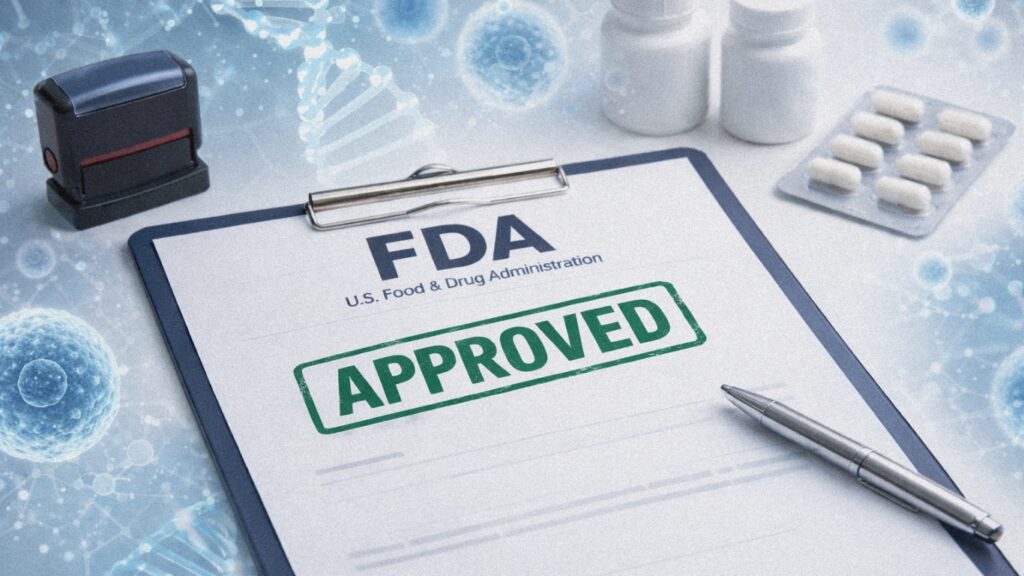
Tomorrow brings double regulatory catalyst: BioCryst Pharmaceuticals (BCRX) +4.2% Wednesday on run-up into pediatric Orladeyo PDUFA decision for hereditary angioedema prophylaxis in children under 12 — approval would create first oral option in pediatric population where current injectable therapies present significant adherence burden and quality of life impact. Amgen Uplizna (inebilizumab) faces PDUFA for neuromyelitis optica spectrum disorder label expansion, key addition to rare disease franchise.
Analyst capitulation on obesity sector: Stifel upgraded Structure Therapeutics (GPCR) to $90 price target (+30% upside from $69.98 close) citing “best-in-class oral efficacy” post-ACCESS data, RBC raised Wave Life Sciences (WVE) to $27 on muscle preservation differentiation, validating thesis that oral small molecules are “base case” for obesity maintenance therapy by 2028 potentially stealing share from injectable GLP-1 duopoly.
M&A speculation intensifying: Terns Pharmaceuticals (TERN) rallied 5.5% Wednesday on reports Novartis conducting due diligence following ASH data showing TERN-701 achieved 74% Major Molecular Response in chronic myeloid leukemia (vs. Novartis Scemblix 25% benchmark) — potential defensive acquisition to eliminate competitive threat or offensive move capturing superior asset.
In vivo CAR-T breakthrough: Private company Kelonia Therapeutics presented quiet ASH winner data showing KLN-1010 achieved 100% MRD-negative response in multiple myeloma using in vivo CAR-T approach (no leukapheresis, no ex vivo manufacturing) — represents “holy grail” enabling CAR-T therapy in outpatient clinics vs. specialized academic centers, dramatically reducing cost and infrastructure requirements.
Reader poll results: “Chemo-free lymphoma” poll showed plurality (40.6%) believe cost and reimbursement barriers will keep chemotherapy as second-line backbone despite strong clinical efficacy data — clinical superiority insufficient without economic viability. New poll: Will BioCryst pediatric Orladeyo become standard of care for children if approved?
Market dynamics: XBI +1.8%, BCRX +4.2% (PDUFA run-up), TERN +5.5% (M&A speculation), Kymera consolidating Monday’s gains on 94-98% STAT6 degradation atopic dermatitis data, Recursion +53% polyp burden reduction in familial adenomatous polyposis Phase 2.
The synthesis: Cool CPI removed macro overhang triggering risk-on biotech rally, double PDUFA Friday creates binary volatility opportunities (BioCryst pediatric HAE, Amgen NMOSD), analyst community validating obesity sector structural shift toward oral maintenance therapy, and M&A speculation accelerating as Big Pharma urgently fills pipeline gaps (Novartis-Terns, broader obesity asset hunt).
The “Fed Fuel” Rally: Cool CPI Ignites Risk-On Positioning
2.7% Headline Inflation Cements Rate Cut Path, XBI Gaps Up 1.8%
Wednesday’s Consumer Price Index showed headline inflation at 2.7% (vs. 2.8% consensus expectation) with core CPI at 3.3% (in-line), removing final macro hurdle for Federal Reserve to proceed with December 17-18 rate cut and maintain easing bias into 2025, triggering aggressive risk-on capital deployment into growth sectors including biotech with XBI rallying 1.8%.
The CPI breakdown:
Headline vs. Core:
- Headline CPI (year-over-year): 2.7% (vs. 2.8% expected, 2.6% prior month) — modest deceleration
- Core CPI (year-over-year): 3.3% (vs. 3.3% expected, 3.3% prior month) — stable at elevated level but not reaccelerating
- Month-over-month: +0.3% headline, +0.3% core (both in-line with expectations)
Key components:
- Shelter (housing): Continuing to moderate but still elevated contribution to core inflation
- Used cars: Deflation accelerating (prices falling)
- Food: Modest increases, not concerning
- Energy: Volatile but contained
- Services ex-shelter: Sticky but not worsening
Market reaction immediate and decisive:
Fed rate cut probability:
- December FOMC (Dec 17-18): Jumped to 85%+ probability of 25 basis point cut (from 70% pre-CPI)
- January 2025 meeting: Probability of additional cut increased to 60-70%
- Forward guidance: Markets expecting Fed to signal continued easing bias (2-3 additional cuts in 2025) unless inflation reaccelerates
Equity market response:
- Growth stocks outperformed: NASDAQ +1.5%, small-cap Russell 2000 +2.1% (growth/small-cap most rate-sensitive)
- XBI (biotech) +1.8%: Significant outperformance reflecting risk-on capital deployment into speculative growth
- Defensive sectors lagged: Utilities, consumer staples underperformed as investors rotated toward risk assets
Why Cool CPI Matters for Biotech
Rate sensitivity of biotech sector:
Valuation dynamics:
- Discounted cash flow impact: Biotech companies with revenues 5-10+ years in future are highly sensitive to discount rates; lower rates increase present value of future cash flows
- Small-cap multiplier effect: XBI (biotech ETF) disproportionately weighted toward small/mid-cap stocks with no current revenue; these names most sensitive to rate changes
- Growth vs. value rotation: Rate cuts favor growth over value; biotech is quintessential growth sector
Financing environment:
- Follow-on offerings: Lower rates make equity capital cheaper; biotech companies can raise capital on more favorable terms
- M&A activity: Lower rates reduce acquirer cost of capital, potentially increasing Big Pharma appetite for acquisitions and willingness to pay premiums
- Venture capital: VC-backed private biotechs benefit from improved IPO/exit environment in lower-rate regime
“January Effect” positioning:
Why investors front-running 2025 rally:
- Tax loss harvesting complete: December tax loss selling (investors dumping losers for tax benefits) largely finished; January buying resumes
- New capital deployment: Institutional investors receive fresh allocations January 1st; new capital flows into sectors
- Momentum into year-end: Strong December performance often continues into January (“Santa Claus rally” → “January Effect”)
- Biotech historically strong: Small-cap and biotech indices tend to outperform in January relative to broader market
Clinical Practice Implications
For hospital systems and practice administrators:
Lower financing costs enable infrastructure investment:
- Capital expenditures: Lower interest rates reduce borrowing costs for hospital expansions, equipment purchases (imaging, robotics, IT systems)
- M&A activity: Hospital system consolidation accelerates in low-rate environment; smaller practices/hospitals acquired by larger systems
- Innovation adoption: More favorable financing enables early adoption of expensive new technologies (cell therapy infrastructure, robotic surgery, AI diagnostics)
For biotech R&D teams:
Improved capital access accelerates programs:
- Clinical trial funding: Easier to raise capital for Phase 2/3 trials; programs that were shelved due to capital constraints can restart
- Portfolio expansion: Companies can invest in multiple programs simultaneously rather than sequential development
- Risk-taking encouraged: Lower cost of capital enables higher-risk, higher-reward programs (novel mechanisms, orphan diseases, moonshots)
Investment Implications
How to position for “Fed Fuel” rally:
Near-term tactical (1-3 months):
- Overweight small-cap biotech: XBI, SBIO (small-cap biotech ETF) capture most upside from rate cuts
- Focus on binary catalysts: PDUFA decisions, Phase 3 readouts, M&A targets benefit from increased risk appetite
- Obesity sector: Structure, Wave, Viking continue benefiting from analyst upgrades and Big Pharma M&A urgency
Medium-term strategic (3-12 months):
- Quality large-cap biotech: Vertex, Regeneron, Amgen offer growth with less volatility; rate cuts support valuations but less dramatic moves than small-cap
- Platform technologies: In vivo gene therapy, targeted protein degradation, AI drug discovery attract venture capital in lower-rate environment
- M&A arbitrage: Identify likely acquisition targets (Terns, Structure, others); position for takeout premiums
Risks to rally:
What could derail:
- Inflation reacceleration: January/February CPI showing renewed inflation pressure forces Fed to pause cuts
- Geopolitical shocks: Unexpected international conflicts, trade wars, other macro disruptions
- Sector-specific headwinds: FDA approval surprises, clinical trial failures in high-profile programs, regulatory crackdowns
Regulatory Double Header: BioCryst Pediatric Orladeyo + Amgen Uplizna
Friday PDUFA Decisions Create Binary Volatility Opportunities
Tomorrow (Friday, December 12) brings two critical regulatory catalysts: BioCryst Pharmaceuticals pediatric Orladeyo PDUFA for hereditary angioedema prophylaxis in children under 12, and Amgen Uplizna label expansion for neuromyelitis optica spectrum disorder — both decisions carrying market-moving potential with options volatility pricing ±15% moves.
BioCryst (BCRX): Pediatric Orladeyo Could Transform HAE Treatment
First Oral Prophylaxis for Children Under 12 Filling Massive Unmet Need
BioCryst Pharmaceuticals (BCRX) rallied 4.2% Wednesday on PDUFA eve positioning, with pediatric Orladeyo approval potentially making it first oral prophylactic for hereditary angioedema in children under 12 — addressing major unmet need where current injectable therapies create significant treatment burden and adherence challenges.
The regulatory decision:
Indication sought:
- Population: Children ages 2-11 with hereditary angioedema (HAE) requiring prophylactic therapy to prevent attacks
- Current label: Orladeyo (berotralstat) approved December 2020 for HAE prophylaxis in adults and adolescents ≥12 years
- Pediatric expansion: Supplemental New Drug Application (sNDA) based on pediatric pharmacokinetic study, extrapolating efficacy from adult data
Clinical rationale:
- HAE pathophysiology: Genetic deficiency of C1 esterase inhibitor causes recurrent angioedema attacks (swelling of face, throat, abdomen, extremities)
- Pediatric burden: Children experience attacks from early childhood; throat swelling can be life-threatening (airway obstruction)
- Current options for children: All prophylactic therapies are injectables (subcutaneous or IV infusions), creating treatment burden for families
Clinical Practice Implications
Why oral option is practice-changing for pediatric HAE:
Current pediatric HAE prophylaxis options (all injectable):
- Lanadelumab (Takhzyro): Subcutaneous injection every 2 weeks; highly effective (70-80% reduction in attack frequency) but requires injections
- C1 esterase inhibitor (Cinryze, Haegarda): IV or subcutaneous infusions 2-3x weekly; very effective but frequent dosing burden
- Danazol (androgen): Oral but significant side effects (virilization, liver toxicity, growth suppression); rarely used in children
Why pediatric patients/families struggle with injectables:
- Injection anxiety: Children (and parents) experience fear, anxiety around injections; impacts adherence
- Quality of life: Weekly or twice-weekly injections disrupt school, activities, family routines
- Administration challenges: Young children require parent/caregiver administration; adolescents may struggle with self-injection
- Venous access issues: Long-term IV access (for Cinryze) requires port or frequent peripheral IV placement
Orladeyo (berotralstat) differentiation:
Oral once-daily prophylaxis advantages:
- Convenience: Capsule swallowed once daily (can be given with food); no injections, no infusion centers
- Adherence: Oral medication easier to integrate into daily routine (like taking vitamins)
- Independence: Adolescents can self-administer without parental help once mature enough
- Travel-friendly: No refrigeration required (unlike biologics); no injection supplies needed
- School integration: Can take medication at home morning/evening; no school nurse involvement needed
Mechanism and efficacy:
- Plasma kallikrein inhibitor: Berotralstat blocks plasma kallikrein, reducing bradykinin production (bradykinin causes angioedema)
- Adult efficacy: In Phase 3 trials, Orladeyo reduced HAE attack rate by ~44% vs. placebo in adults
- Pediatric extrapolation: FDA likely to approve based on pharmacokinetic data showing appropriate drug levels in children, assuming efficacy comparable to adults (standard pediatric approval pathway for rare diseases)
Patient counseling for pediatric Orladeyo:
Setting expectations with families:
- “Orladeyo is oral medication (capsule) taken once daily to prevent HAE attacks”
- “In adult studies, reduced attack frequency by about 40-50%; we expect similar benefit in children”
- “Side effects primarily stomach upset (diarrhea, nausea); usually mild and improve over time”
- “Does not eliminate attacks entirely; breakthrough attacks treated with acute rescue medications (icatibant, ecallantide)”
- “Much more convenient than injections, but still requires daily adherence; missing doses may increase attack risk”
Who is ideal candidate for pediatric Orladeyo:
Patient selection:
- Children ages 2-11 with documented HAE diagnosis (C1 esterase inhibitor deficiency confirmed)
- Experiencing ≥2 attacks per month requiring acute treatment (high attack burden justifying prophylaxis)
- Families struggling with injectable prophylaxis adherence (injection anxiety, quality of life concerns)
- Good adherence expected with oral daily medication
Who may still prefer injectables:
- Patients with very severe disease (injectable lanadelumab/C1-INH may provide superior prophylaxis)
- Children unable to swallow capsules (Orladeyo capsule size may be challenging for very young children ages 2-4)
- Families with established successful injectable routine (if adherent and satisfied, no need to switch)
Regulatory & Development Insights
Why pediatric approval likely:
FDA’s extrapolation approach for pediatric rare diseases:
- Pharmacokinetic bridging: If PK study shows drug levels in children comparable to adults, efficacy extrapolated from adult data (avoids need for large pediatric placebo-controlled trial in rare disease)
- Safety focus: Pediatric trials focus on safety/tolerability; efficacy assumed if mechanism same across ages
- HAE precedent: FDA has approved other HAE prophylactics in pediatrics using extrapolation (lanadelumab, C1-INH products)
BioCryst pediatric study design:
- Open-label pharmacokinetic study in children ages 2-11
- Demonstrated appropriate drug exposure (plasma levels) similar to adults
- Safety profile acceptable (GI side effects primary concern, manageable)
- No major unexpected pediatric-specific safety signals
Market opportunity:
Pediatric HAE population:
- HAE prevalence: ~1 in 50,000 population (rare disease); ~6,000-8,000 U.S. patients total
- Pediatric subset: ~20-30% are children under 18 (~1,500-2,400 U.S. pediatric patients)
- Ages 2-11 specifically: ~1,000-1,500 U.S. patients
- Requiring prophylaxis: ~50-70% have severe disease warranting prophylaxis (~500-1,000 U.S. patients)
Revenue modeling:
- Pricing: Orladeyo priced ~$500,000 annually (rare disease premium pricing)
- Pediatric peak sales: $250-500M annually (U.S. + ex-U.S. markets)
- Combined adult + pediatric: $800M-1.2B peak sales potential
Competitive landscape:
Orladeyo vs. Takhzyro (lanadelumab):
- Takhzyro advantages: Superior efficacy (70-80% attack reduction vs. 44% for Orladeyo), subcutaneous every 2 weeks (less frequent than oral daily)
- Orladeyo advantages: Oral route (no injections), daily adherence pattern familiar to patients, lower cost to payers (though still expensive)
Market segmentation likely:
- Highest-severity patients: Takhzyro preferred (maximum efficacy priority)
- Injection-averse patients: Orladeyo preferred (convenience/quality of life priority)
- Cost-conscious payers: May tier formularies (Orladeyo first-line, Takhzyro for failures) though both expensive
Stock Reaction Scenarios
Options volatility pricing ±15% move:
Bull case (approval with broad label) — BCRX +15-25%:
- FDA approves for all children ages 2-11 with HAE
- Label has no unexpected restrictions (no boxed warnings, no REMS)
- Commercial launch proceeds smoothly
- Market recognizes pediatric expansion doubles addressable population
Base case (approval with expected label) — BCRX +5-10%:
- FDA approves for ages 2-11 with standard rare disease label
- Some GI side effect warnings (expected based on adult label)
- Largely priced in given +4.2% run-up Wednesday
Bear case (delay or narrow label) — BCRX -10-20%:
- FDA issues Complete Response Letter requesting additional data
- OR approval with very narrow label (e.g., only ages 6-11, excluding youngest children)
- OR unexpected safety concerns (boxed warning, restricted distribution)
Positioning:
Pre-PDUFA (today):
- Already ran +4.2% Wednesday: Much of approval expectation priced in
- Avoid chasing: If considering position, wait for approval announcement for clarity
- Small speculative position acceptable: If risk tolerance appropriate for ±15% binary move
Post-PDUFA:
- On approval: Modest upside (+5-10%) likely if label as expected; hold if positioned, don’t chase gap-up
- On delay/narrow label: Potential buying opportunity if selloff overdone (-15-20%); reassess based on specific FDA concerns
Amgen (AMGN): Uplizna NMOSD Label Expansion
Rare Neuromyelitis Optica Indication Strengthens Rare Disease Franchise
Amgen faces PDUFA Friday for Uplizna (inebilizumab) label expansion in neuromyelitis optica spectrum disorder (NMOSD), adding to rare disease portfolio and providing treatment option for debilitating autoimmune condition attacking optic nerves and spinal cord.
The regulatory decision:
Indication:
- NMOSD background: Rare autoimmune disease causing inflammation of optic nerves (leading to vision loss) and spinal cord (leading to paralysis, sensory loss)
- Antibody-driven: ~80% of NMOSD patients have aquaporin-4 (AQP4) antibodies triggering immune attack
- Relapsing course: Patients experience acute attacks followed by remissions; attacks cause cumulative disability
Uplizna mechanism:
- Anti-CD19 monoclonal antibody: Depletes B-cells (antibody-producing immune cells)
- Rationale: Reducing B-cells decreases AQP4 antibody production, preventing attacks
Clinical Practice Implications
For neurologists treating NMOSD:
Current treatment landscape:
- Eculizumab (Soliris): Complement inhibitor; very effective but requires IV infusions every 2 weeks
- Satralizumab (Enspryng): IL-6 receptor inhibitor; subcutaneous injection every 2-4 weeks
- Inebilizumab (Uplizna): Anti-CD19 B-cell depletion; IV infusion every 6 months
Uplizna differentiation:
- Longest dosing interval: Every 6 months (vs. eculizumab every 2 weeks, satralizumab every 2-4 weeks)
- B-cell depletion mechanism: Different from complement inhibition or IL-6 blockade; option for patients failing other approaches
Patient counseling:
Setting expectations:
- “Uplizna prevents NMOSD attacks by reducing antibodies attacking your nervous system”
- “Infusion every 6 months (twice yearly); much less frequent than other NMOSD treatments”
- “In clinical trials, reduced attack risk by ~70% compared to placebo”
- “Side effects: infection risk (due to B-cell depletion), infusion reactions; generally well-tolerated”
Market and Strategic Positioning
Amgen rare disease franchise:
Portfolio diversification:
- Enbrel, Prolia, others: Amgen historically known for large-market drugs (rheumatology, osteoporosis)
- Rare disease pivot: Acquiring and developing rare disease assets (Uplizna, others) to diversify away from biosimilar-threatened franchises
NMOSD market size:
- Prevalence: ~10,000 U.S. NMOSD patients (very rare)
- Peak sales: $300-500M annually (orphan drug pricing ~$200,000+ per patient)
- Strategic value: More about portfolio diversification than blockbuster revenue
Stock implications:
Amgen (AMGN) reaction to approval:
- Minimal stock move expected: Large-cap (~$160B market cap); $300-500M peak sales immaterial to overall valuation
- Approval largely expected: Positive Phase 3 data, FDA priority review granted; surprise would be rejection
The “Obesity Re-Rate”: Analysts Capitulate to Oral Dominance Thesis
Stifel Raises Structure to $90, RBC Hikes Wave to $27 on Maintenance Market Potential
Wall Street equity research capitulated to oral obesity thesis with sweeping upgrades: Stifel raised Structure Therapeutics (GPCR) price target to $90 (+30% upside from $69.98 close) citing “best-in-class oral efficacy,” RBC Capital upgraded Wave Life Sciences (WVE) to $27 on muscle preservation differentiation, validating investor thesis that oral small molecules are “base case” for obesity maintenance therapy by 2028.
The analyst arguments:
Stifel on Structure Therapeutics (price target $90):
- “Best-in-class oral efficacy”: 15.3% weight loss at highest dose approaches injectable GLP-1 efficacy (semaglutide ~15-18%, tirzepatide ~18-22%) while maintaining oral convenience
- No liver toxicity: Clean safety profile differentiates from Novo Nordisk’s oral semaglutide (liver enzyme elevations at high doses) and Pfizer’s danuglipron failure
- Big Pharma M&A inevitability: Pfizer, Amgen, Merck desperately need oral assets; Structure is #1 target; $6-10B takeout likely
- Phase 3 de-risked: Strong Phase 2 safety/efficacy data reduces Phase 3 failure risk to <30%; approval probability >70%
RBC Capital on Wave Life Sciences (price target $27):
- Muscle preservation holy grail: GLP-1s’ Achilles’ heel is 25-40% weight loss from muscle; Wave’s INHBE silencing preserves muscle while targeting visceral fat
- Combination therapy potential: Novo Nordisk or Lilly likely partners for GLP-1 + Wave combination solving muscle loss problem
- Maintenance market: Post-weight-loss patients need long-term therapy preventing regain; Wave’s biannual dosing + metabolic benefits position for maintenance
- Undervalued: $900M-1B market cap modest if partnership or acquisition materializes ($2-4B potential)
What “Base Case” Maintenance Therapy Means
Analyst consensus shifting:
Previous view (pre-Monday data):
- Injectable GLP-1s (Wegovy, Zepbound) remain dominant across initial weight loss AND maintenance
- Oral GLP-1s niche for injection-averse minority (~20-30% of patients)
- RNA approaches experimental, far future potential
New view (post-Structure/Wave data):
- Initial weight loss (Phase 1): Injectable GLP-1s remain standard (maximum efficacy priority)
- Maintenance therapy (Phase 2): Oral small molecules become BASE CASE (convenience drives long-term adherence)
- Combination approach: GLP-1 injectable + Wave RNA for muscle preservation becomes common for at-risk populations (elderly, sarcopenic obesity)
Market share implications by 2028:
Analyst projections (consensus emerging):
- Initial weight loss market: Injectable GLP-1s 60-70%, oral GLP-1s 30-40%
- Maintenance market: Oral GLP-1s 50-60%, injectable GLP-1s 30-40%, RNA/other 10%
- Total obesity market: $100-150B annually by 2028 (up from ~$20-30B today)
Clinical Practice Implications
For primary care physicians and endocrinologists:
Evolving obesity treatment paradigm:
- Phase 1 (Months 0-12): Maximize weight loss with injectable GLP-1 (semaglutide 2.4mg or tirzepatide)
- Phase 2 (Month 12+): Transition to oral GLP-1 for maintenance once target weight achieved
- Rationale: Initial phase prioritizes efficacy (injectable superior); maintenance phase prioritizes adherence (oral convenience)
Patient counseling strategy:
- “We’ll start with weekly injection to achieve maximum weight loss over first 6-12 months”
- “Once you reach target weight, we can switch to daily oral pill for long-term maintenance”
- “Oral medication easier to sustain for years/decades; prevents weight regain while maintaining convenience”
For hospital systems and payers:
Economic implications:
- Oral GLP-1s likely lower cost: Simpler manufacturing (small molecules vs. biologics), less cold chain infrastructure
- Maintenance market is larger: If 20-30 million patients achieve initial weight loss, maintenance market potentially $50-75B annually (dwarf initial weight loss market)
- Payer strategies: Tiered formularies likely (injectable first-line, oral for maintenance); step therapy protocols
Investment Implications
Structure Therapeutics (GPCR) — $90 price target (+30% upside):
Bull case strengthening:
- Multiple analysts now covering with bullish targets (Stifel $90, others likely following)
- Big Pharma M&A urgency confirmed by Pfizer $1.9B YaoPharma deal (Structure worth far more given late-stage data)
- Phase 3 initiation imminent (likely announced Q1 2025)
Positioning:
- Hold core position: Acquisition upside ($100-140 per share if $6-10B takeout)
- Trim if gap-up: If analyst upgrades drive near-term rally to $80-85, consider taking partial profits
- Reload on dips: Any pullback to $60-65 on profit-taking is buying opportunity
Wave Life Sciences (WVE) — $27 price target (+46% from ~$18.52 close):
Thesis evolving:
- Initially viewed as standalone obesity play
- Now seen as combination partner for Novo/Lilly (muscle preservation solution for GLP-1 franchises)
- Partnership announcement would be major catalyst (+30-50% likely)
Positioning:
- Speculative hold: Higher risk than Structure (earlier stage, Phase 2 needed) but combination potential significant
- Watch for partnership news: Novo Nordisk or Lilly licensing/partnership likely within 6-12 months
- Phase 2 initiation catalyst: Announcement of dose-ranging Phase 2 or GLP-1 combination study drives rerating
Broader obesity sector:
Other names benefiting:
- Viking Therapeutics (VKTX): Oral GLP-1/GIP dual agonist; Phase 2 data positive; potential acquisition target
- Altimmune (ALT): Intranasal GLP-1; differentiated delivery; speculative
- Carmot, ERX (private): Likely see increased VC funding, IPO interest
Deal Chatter: Novartis Evaluating Terns Pharmaceuticals
74% CML Response Rate Drives Defensive/Offensive Acquisition Speculation
Terns Pharmaceuticals (TERN) surged 5.5% Wednesday on reports Novartis conducting due diligence following ASH presentation showing TERN-701 achieved 74% Major Molecular Response rate in chronic myeloid leukemia — dramatically outperforming Novartis Scemblix’s 25% benchmark and creating either defensive acquisition opportunity (eliminate competitive threat) or offensive play (capture superior asset).
The acquisition rationale:
Novartis perspective:
- Scemblix competitive threat: Novartis launched Scemblix (asciminib) as allosteric BCR-ABL inhibitor for CML; 25% MMR in 3rd-line disappointing
- TERN-701 superior efficacy: 74% MMR is triple Scemblix response rate in comparable population; threatens Scemblix market share
- Defensive acquisition: Buying Terns eliminates competitor, Novartis owns entire allosteric BCR-ABL inhibitor class
- Offensive acquisition: TERN-701 superior asset; discontinue Scemblix, commercialize TERN-701 as upgraded product
Terns valuation:
- Current market cap: ~$800M-1B post-5.5% rally
- Takeout range: $2-3B likely (50-100% premium typical for late-stage hematology assets)
- Peak sales potential: TERN-701 could achieve $500M-1B annually if approved (3rd-line CML, potential expansion to 2nd-line or 1st-line if data supports)
Clinical Practice Implications
For hematologists:
If Novartis acquires Terns:
- Scemblix potentially discontinued: Novartis may phase out Scemblix, transition patients to TERN-701
- TERN-701 accelerated development: Novartis global commercialization infrastructure speeds regulatory approvals, launches worldwide
- Pricing likely high: Orphan CML drug, premium pricing ($150,000-200,000 annually); Novartis maximizes revenue
If alternative acquirer (AbbVie, BMS, Takeda):
- Competitive CML market: Multiple allosteric BCR-ABL inhibitors available (Scemblix, TERN-701); clinicians gain choice
- Head-to-head data needed: Direct comparison trials between Scemblix and TERN-701 would inform prescribing
- Market segmentation: Different safety profiles may favor different inhibitors for different patient populations
Investment Implications
Terns Pharmaceuticals (TERN) positioning:
M&A probability high (70%+):
- Novartis defensive logic compelling: Cannot allow competitor with 3x superior efficacy to erode Scemblix
- Alternative acquirers interested: AbbVie (hematology franchise rebuilding), BMS (strong hematology presence), Takeda (hematology focus) all logical bidders
- Competitive bidding possible: Multiple interested parties could drive premium above $2-3B base case
Stock positioning:
- Accumulate on dips: Any profit-taking pullback from 5.5% rally is buying opportunity
- Target $25-35 per share: Represents $2-3B market cap (assuming shares outstanding constant)
- Timeline: Deal announcement likely within 6-12 months; due diligence ongoing signals seriousness
Risks to acquisition:
What could derail:
- Novartis concludes Scemblix defensible: If Novartis believes Scemblix can compete (different patient populations, earlier lines of therapy) may not acquire
- Valuation impasse: Terns may demand premium Novartis unwilling to pay (e.g., $4-5B vs. $2-3B fair value)
- Regulatory concerns: If FDA questions TERN-701 approvability based on Phase 1 data, acquisition becomes riskier
In Vivo CAR-T Breakthrough: Kelonia’s 100% MRD-Negative Multiple Myeloma Data
“Holy Grail” Approach Eliminates Leukapheresis, Enables Outpatient Cell Therapy
Private company Kelonia Therapeutics presented quiet ASH winner showing KLN-1010 achieved 100% MRD-negative response rate in multiple myeloma using in vivo CAR-T approach (no leukapheresis, no ex vivo manufacturing) — representing potential paradigm shift enabling CAR-T therapy in community oncology outpatient clinics vs. specialized academic medical centers.
The in vivo CAR-T concept:
Traditional CAR-T (ex vivo) process:
- Leukapheresis: Collect patient’s T-cells via apheresis (4-6 hour procedure)
- Shipping: Send T-cells to manufacturing facility (Kite, BMS, others)
- Manufacturing: Genetically engineer T-cells to express CAR targeting cancer antigen (2-4 weeks)
- Quality control: Test manufactured CAR-T cells for potency, safety (1 week)
- Cryopreservation and shipping: Freeze CAR-T product, ship back to hospital (1 week)
- Conditioning chemotherapy: Patient receives lymphodepleting chemotherapy (3-5 days)
- CAR-T infusion: Thaw and infuse CAR-T cells (1 day)
- Monitoring: ICU-level monitoring for cytokine release syndrome, neurotoxicity (7-14 days hospitalized)
Total time: 4-6 weeks from leukapheresis to infusion
Kelonia’s in vivo CAR-T (KLN-1010) approach:
Simplified process:
- Injection: Patient receives lentiviral vector (carries CAR gene) via IV infusion
- In vivo transduction: Lentiviral vector infects patient’s T-cells inside body, inserting CAR gene
- CAR-T expansion: Engineered T-cells expand in patient’s body, attack cancer
- Monitoring: Outpatient follow-up for response, side effects
Total time: 1-2 days (infusion + observation)
The ASH data:
Kelonia KLN-1010 results:
- Population: Relapsed/refractory multiple myeloma patients (median 3-4 prior lines of therapy)
- MRD-negative rate: 100% of evaluable patients achieved minimal residual disease negativity (undetectable cancer by sensitive assays)
- Depth unprecedented: MRD negativity at 10^-5 or 10^-6 sensitivity (extremely deep remissions)
- Safety: Manageable cytokine release syndrome (Grade 1-2 primarily), no severe neurotoxicity
Clinical Practice Implications
Why in vivo CAR-T is game-changing:
Expanding access dramatically:
- Current CAR-T limited to ~50 academic medical centers: Ex vivo manufacturing requires specialized facilities, ICU beds, experienced cellular therapy teams
- Community oncology excluded: 60-70% of myeloma patients treated in community practices cannot access CAR-T (must transfer to academic center)
- In vivo enables community setting: If KLN-1010 requires only IV infusion + outpatient monitoring, thousands of community oncology practices could offer CAR-T
Cost reduction potential:
- Ex vivo CAR-T manufacturing cost: $150,000-200,000 per patient (Kite/BMS/Legend manufacturing, shipping, quality control)
- In vivo eliminates manufacturing: Lentiviral vector production simpler, scalable; cost potentially $50,000-100,000 (1/3 to 1/2 ex vivo cost)
- Hospitalization savings: If outpatient-feasible, avoid 7-14 day ICU admission ($20,000-50,000 cost)
Patient experience transformation:
- No travel to academic center: Community patients stay local
- No leukapheresis: Avoid 4-6 hour apheresis procedure
- No manufacturing wait: Immediate treatment vs. 4-6 week wait (during which disease can progress)
- Potentially outpatient: If monitoring can be outpatient, massive quality of life improvement
Regulatory & Development Insights
Why in vivo CAR-T technically challenging:
Historical failures:
- Multiple companies attempted: Mustang Bio, CRISPR Therapeutics, others explored in vivo CAR-T; most failed or discontinued programs
- Challenges:
- Transduction efficiency: Getting lentiviral vector to infect T-cells (not other cells) inside body difficult; low efficiency yields insufficient CAR-T cells
- Safety concerns: Lentiviral vectors can integrate into genome randomly; risk of insertional mutagenesis (cancer risk)
- Off-target effects: Lentivirus infecting non-T-cells (e.g., hematopoietic stem cells) could cause long-term consequences
What Kelonia apparently solved:
Proprietary technology (details not fully disclosed):
- Enhanced transduction: Lentiviral vector optimized for T-cell tropism (preferentially infects T-cells)
- Sufficient CAR-T expansion: Despite in vivo transduction, achieved adequate CAR-T cell numbers for therapeutic effect
- Safety profile acceptable: 100% MRD-negative without unexpected toxicities suggests approach feasible
Development timeline:
Kelonia pathway forward:
- Phase 1/2 data presented ASH: Early-stage, small patient numbers (likely <20 patients)
- Phase 2 expansion needed: Larger cohort (50-100 patients) confirming efficacy, durability, safety
- Phase 3 pivotal trial: Randomized trial vs. standard CAR-T (Carvykti, Abecma) or other comparators required for approval
- Timeline: Phase 2 completion 2026, Phase 3 2027-2029, approval 2029-2031 (optimistic scenario)
Investment Implications
Kelonia as private company:
Venture capital and IPO potential:
- Series B/C funding likely: 100% MRD-negative data positions for major financing round ($100-200M+)
- IPO candidate 2025-2026: If Phase 2 confirms ASH findings, IPO likely (valuation $1-3B)
- Acquisition target: Big pharma with CAR-T franchises (Gilead/Kite, BMS, J&J/Legend) may acquire to secure in vivo technology
Implications for existing CAR-T companies:
Competitive threat to ex vivo CAR-T:
- Gilead/Kite (Yescarta, Tecartus): Current CAR-T leaders face potential disruption if in vivo approach validated
- BMS (Abecma, Breyanzi): Similarly threatened by simplified approach
- J&J/Legend (Carvykti): Most at risk given Carvykti’s complex manufacturing, safety challenges
Counter-argument:
- In vivo unproven at scale: Single small study insufficient to conclude in vivo superior to ex vivo
- Durability unknown: Ex vivo CAR-T has years of follow-up data; in vivo durability unclear
- Manufacturing scale-up: Producing lentiviral vector at commercial scale (tens of thousands of doses annually) may be challenging
Reader Poll Results: Reimbursement Reality Check on Chemo-Free Lymphoma
Plurality (40.6%) Believes Cost Barriers Will Keep Chemotherapy as Backbone
Yesterday’s poll asking whether “chemo-free” regimens will become second-line lymphoma standard by 2026 revealed reimbursement skepticism:
Results:
- No — Cost and reimbursement hurdles will keep chemo as backbone: 40.6% (Winner)
- Yes — Bispecifics and Tafa-Len combinations too effective to ignore: 32.1%
- Niche only — Only for elderly/frail patients unable to tolerate chemo: 27.3%
The Takeaway: Clinical Efficacy Isn’t Enough
Why plurality voted “No” despite strong clinical data:
Cost differential enormous:
- R-chemotherapy (Rituximab + bendamustine): ~$30,000-50,000 per course (6 cycles over 6 months)
- Bispecific antibodies (mosunetuzumab, epcoritamab): ~$200,000-300,000 per course
- Tafasitamab triple combination: ~$250,000-350,000 annually
Payer resistance predictable:
- Step therapy protocols: Insurers require chemotherapy failure before approving expensive chemo-free regimens
- Prior authorization barriers: Extensive documentation required justifying expensive alternatives
- Formulary tiers: Chemo-free regimens placed on highest tier (highest patient cost-sharing) to discourage use
The “clinical efficacy vs. economics” tension:
Physician perspective:
- Chemo-free regimens offer superior quality of life, comparable or better efficacy
- Want to prescribe best therapy for patients
- Frustrated by insurance barriers
Payer perspective:
- Must control costs to remain financially viable
- Chemotherapy delivers acceptable outcomes at fraction of cost
- Reserve expensive therapies for patients truly unable to tolerate chemotherapy
Patient caught in middle:
- Suffers chemotherapy side effects because insurance won’t cover better alternative
- OR pays thousands out-of-pocket for chemo-free regimen not covered
New Poll: BioCryst Pediatric Orladeyo Standard of Care Adoption
This week’s question:
BioCryst (BCRX) faces its FDA decision tomorrow for Pediatric Orladeyo. If approved, will an oral option become the new Standard of Care (SoC) for children?
Options:
A) Yes — Injections are a burden; oral is the future.
- Thesis: Oral convenience vastly superior for pediatric population; injectable-averse families will demand Orladeyo
- Reasoning: Quality of life benefits outweigh modest efficacy differences; pediatricians prefer oral for adherence
B) No — Payers will force cheaper generics/injectables first.
- Thesis: Orladeyo expensive (~$500,000 annually); insurers require injectable failure before approving
- Reasoning: Step therapy protocols favor cheaper options despite oral convenience
C) Niche — Only for severe/refractory cases.
- Thesis: Injectable lanadelumab superior efficacy (70-80% reduction) vs. Orladeyo (44% reduction); reserve Orladeyo for injectable failures
- Reasoning: Risk-benefit calculus favors maximum efficacy in severe disease; oral for mild-moderate cases only
Bottom Line: Cool CPI Removes Macro Overhang, Binary Catalysts Create Volatility Opportunities
Cool CPI print (2.7% headline vs. 2.8% expected) removed final macro hurdle triggering XBI +1.8% risk-on rally, Fed rate cut probability for December 17-18 FOMC jumped to 85%+ cementing easing bias into 2025, “January Effect” positioning accelerating as institutional capital deploys into growth sectors including biotech with improved financing environment and M&A tailwinds.
Double PDUFA Friday creates binary volatility: BioCryst pediatric Orladeyo decision potentially makes it first oral HAE prophylaxis for children under 12 (addressing major unmet need where injectable treatment burden impacts adherence), Amgen Uplizna NMOSD label expansion strengthens rare disease franchise — both decisions carrying market-moving potential with options pricing ±15% moves though BioCryst approval largely expected.
Analyst capitulation validates obesity structural shift: Stifel $90 Structure price target (+30% upside) and RBC $27 Wave target cement consensus that oral small molecules are “base case” for obesity maintenance therapy by 2028 potentially stealing significant market share from injectable GLP-1 duopoly, forcing Novo Nordisk and Lilly to accelerate internal oral programs or pursue M&A defensively.
M&A speculation intensifying across sector: Terns +5.5% on Novartis due diligence reports (74% CML response vs. Scemblix 25% creates defensive acquisition logic), broader Big Pharma urgency filling obesity pipeline gaps (Pfizer $1.9B YaoPharma validates premium valuations), in vivo CAR-T breakthrough (Kelonia 100% MRD-negative) positions for major VC funding and eventual strategic acquisition.
Reader polls reveal economic realism: Plurality (40.6%) believe cost/reimbursement barriers will keep chemotherapy as lymphoma backbone despite chemo-free efficacy advantages — clinical superiority insufficient without economic viability, new poll asks whether BioCryst oral Orladeyo becomes pediatric HAE standard of care if approved or payers force injectable step therapy.
For all audiences:
Clinical practitioners: BioCryst pediatric Orladeyo approval creates oral option for children struggling with injectable HAE prophylaxis (quality of life transformation for families); in vivo CAR-T breakthrough (if validated at scale) could democratize cell therapy enabling community oncology administration; oral obesity maintenance paradigm emerging for long-term weight management post-initial loss phase.
Industry professionals: Cool CPI and Fed easing bias improve financing environment for clinical-stage companies (equity offerings less dilutive, venture capital more available); Big Pharma M&A urgency creates seller’s market for differentiated assets (obesity, rare hematology, novel mechanisms); analyst community validating structural shifts (oral obesity, in vivo cell therapy) with price target increases legitimizing investment theses.
Investors: Position for risk-on continuation following CPI relief (overweight small-cap biotech, binary catalysts with favorable risk-reward); manage PDUFA volatility (BioCryst run-up suggests approval priced in, avoid chasing, consider post-decision entry); obesity sector core holdings (Structure M&A target $90-140 potential, Wave partnership catalyst pending, Viking also attractive); M&A arbitrage (Terns accumulate on dips toward $25-35 takeout range, monitor Novartis deal progress).
The market is accelerating. Macro tailwinds (Fed easing), sector catalysts (double PDUFA Friday), structural shifts (oral obesity dominance), and M&A urgency (Novartis-Terns, broader Big Pharma scramble) create multiple alpha-generation opportunities. Navigate binary volatility while positioning for continuation of risk-on rally into year-end and January Effect.
Track PDUFA decisions, Fed policy impacts on biotech, obesity sector evolution, Big Pharma M&A activity, and breakthrough technologies (in vivo CAR-T, oral therapeutics). Subscribe to BioMed Nexus for comprehensive intelligence delivered every weekday morning.