NGS Workflow Explained: From Sample to Sequence Data
Every NGS experiment follows the same five stages. Here’s what happens at each one, and where most experiments quietly go wrong.
Every NGS experiment follows the same five stages. Here’s what happens at each one, and where most experiments quietly go wrong.
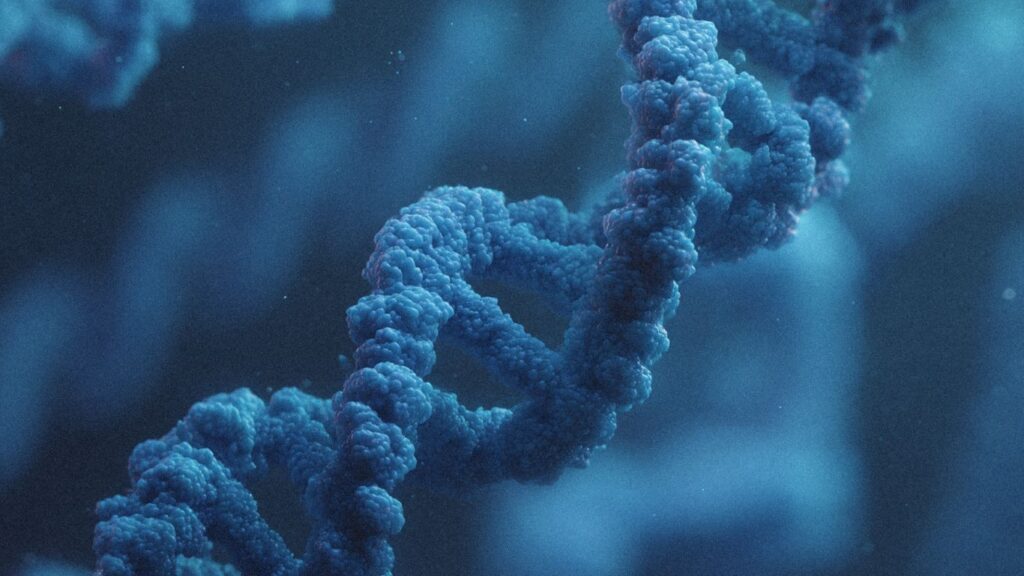
Spatial transcriptomics keeps cells in their architectural context. Here’s how each platform works and what it reveals.
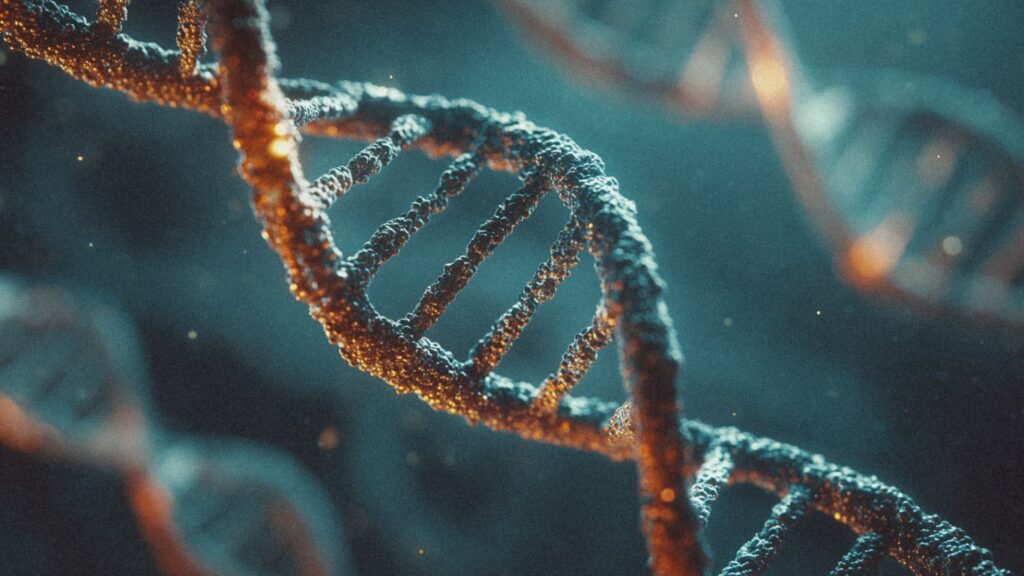
scRNA-seq has reshaped biology by giving every cell its own transcriptome. Here’s the full workflow and what it reveals.

A blood draw can reveal genomic features of a tumor without a tissue biopsy. Here’s what’s possible — and what isn’t yet.
RNA-seq dominates modern transcriptomics, but microarrays still have a place in cost- and infrastructure-constrained workflows.
Bulk RNA-seq tells you the average. Single-cell tells you the population. The right choice depends on whether heterogeneity is part of your question.
Sanger remains the right choice for confirming a single sequence. NGS is unbeatable for genome-scale questions. Here’s the comparison.
WGS reads everything. WES targets the 1–2% of the genome that codes for protein at a fraction of the cost.