
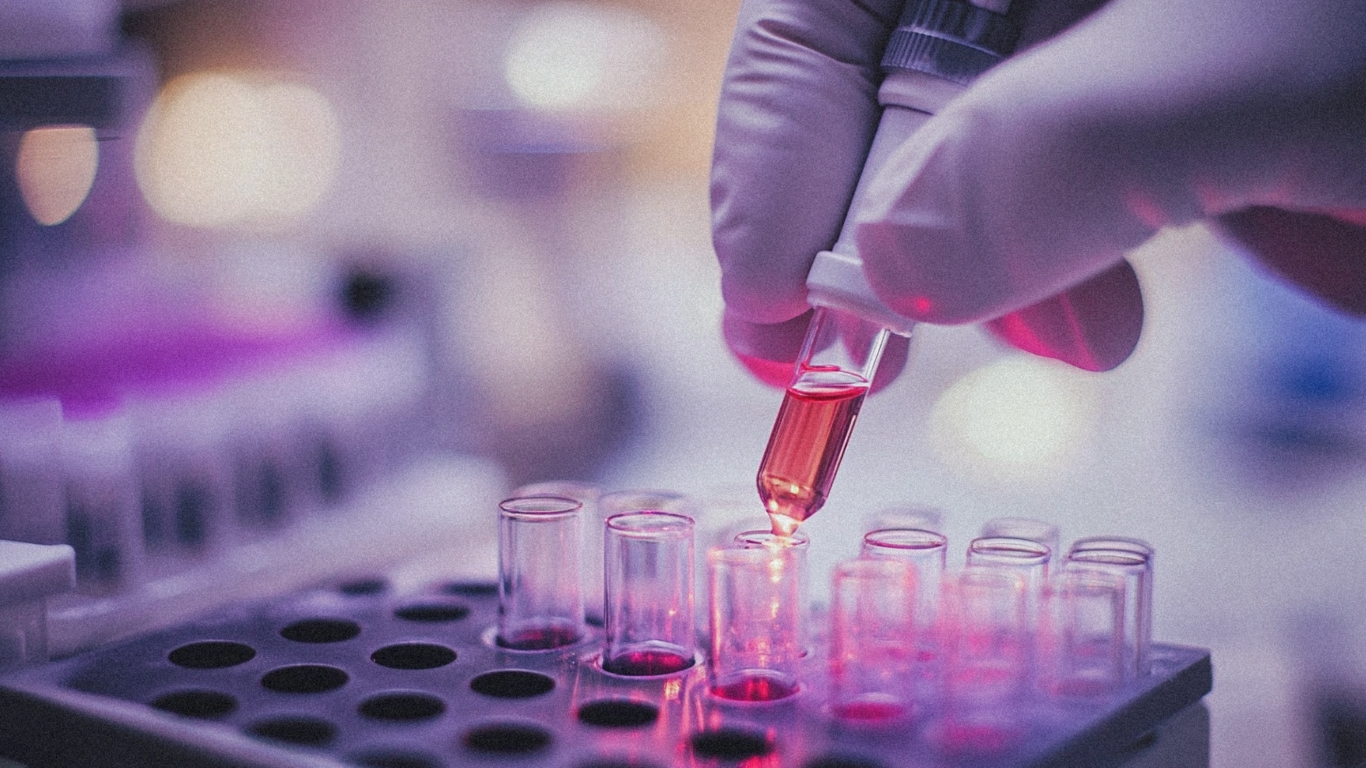
Phase 1 answered the safety question. Phase 2 answers a far more consequential one: does this drug actually work?
This is where drug development gets real. Phase 2 clinical trials are the first rigorous test of whether a compound that proved safe in humans can deliver meaningful therapeutic benefit. For biotech companies, investors, and patients, Phase 2 represents the highest-risk, highest-reward stage of development — the point where most drugs fail, and where the rare successes begin to reveal their potential.
Understanding Phase 2 trials is essential for anyone following drug development seriously. These studies shape billion-dollar decisions, determine which programs advance to Phase 3, and often provide the first glimpse of whether a new medicine might actually change clinical practice.
Phase 2 Clinical Trials: The Basics
A Phase 2 clinical trial is the first study designed primarily to evaluate whether a drug works in patients with the target disease. While Phase 1 focused on safety in small groups (often healthy volunteers), Phase 2 enrolls actual patients and measures whether treatment produces meaningful clinical improvement.
The primary goal of Phase 2 is to establish proof of concept — evidence that the drug’s mechanism translates into real therapeutic benefit in humans.
Phase 2 trials also continue safety monitoring, refine dosing, and generate the data needed to design a pivotal Phase 3 program. But efficacy is now the central question.
Why Phase 2 Is the Most Critical Stage
Drug development is often described as a funnel. Thousands of compounds enter preclinical testing. A fraction reach Phase 1. Fewer still make it to Phase 2. And here’s where the funnel narrows dramatically.
Approximately 70% of drugs that enter Phase 2 fail.
This isn’t a flaw in the system — it’s the system working. Phase 2 is designed to identify drugs that don’t work before companies invest the hundreds of millions required for Phase 3. A failed Phase 2 is expensive. A failed Phase 3 is catastrophic.
The drugs that survive Phase 2 have demonstrated something rare: biological activity in a lab, acceptable safety in Phase 1, and now measurable efficacy in real patients. These are the candidates worth the massive investment of a pivotal program.
The Core Objectives of Phase 2 Trials
1. Proof of Concept (Efficacy Signal)
The defining objective. Does the drug produce the intended therapeutic effect in patients? This could mean:
- Tumor shrinkage in oncology
- Reduced disease activity scores in autoimmune conditions
- Improved biomarkers in metabolic diseases
- Symptom improvement in neurological disorders
- Viral load reduction in infectious disease
The bar isn’t proving the drug works definitively — that’s Phase 3’s job. Phase 2 establishes whether there’s enough signal to justify continued development.
2. Dose Optimization
Phase 1 identified safe doses. Phase 2 determines which dose is optimal — balancing efficacy against side effects. Many Phase 2 trials test multiple dose levels to identify the “sweet spot” that maximizes benefit while minimizing toxicity.
This is critical. Choosing the wrong dose for Phase 3 is a common cause of late-stage failure. Too low, and the drug appears ineffective. Too high, and safety issues emerge at scale.
3. Patient Population Refinement
Which patients respond best? Phase 2 often reveals that a drug works better in certain subgroups — defined by genetics, biomarkers, disease severity, or prior treatment history. Identifying these responders shapes Phase 3 enrollment criteria and, ultimately, the approved label.
4. Endpoint Validation
Phase 2 tests whether the chosen clinical endpoints — the measurements used to determine success — are appropriate and sensitive enough to detect drug effects. Endpoints that work in Phase 2 inform Phase 3 design.
5. Continued Safety Monitoring
With more patients and longer exposure than Phase 1, Phase 2 provides a clearer safety picture. Adverse events that were rare or absent in small Phase 1 cohorts may emerge. The safety database grows.
Phase 2a vs. Phase 2b: Understanding the Distinction
Phase 2 is often divided into two sub-phases with distinct purposes:
Phase 2a: Proof of Concept
Phase 2a trials are smaller, exploratory studies focused on establishing initial evidence of efficacy. They typically:
- Enroll 50-150 patients
- Test one or two doses
- Use biomarkers or surrogate endpoints
- Run for shorter durations
- Prioritize speed over statistical rigor
The question Phase 2a answers: Is there any signal that this drug works?
Phase 2b: Dose-Ranging
Phase 2b trials are larger, more rigorous studies designed to optimize dosing and generate data suitable for Phase 3 planning. They typically:
- Enroll 100-400 patients
- Test multiple dose levels
- Use clinical endpoints closer to Phase 3
- Include control groups (placebo or active comparator)
- Run longer to capture durability of response
The question Phase 2b answers: What dose should we take into Phase 3, and what effect size can we expect?
Some development programs run Phase 2a and 2b as separate trials. Others combine them into a single adaptive study. The approach depends on the drug, disease, competitive landscape, and regulatory strategy.
How Phase 2 Trials Are Structured
Participant Selection
Unlike Phase 1, which often uses healthy volunteers, Phase 2 trials enroll patients with the target disease. Selection criteria typically include:
- Confirmed diagnosis
- Specific disease stage or severity
- Defined prior treatment history (or lack thereof)
- Adequate organ function
- Ability to comply with study procedures
Enrollment criteria balance scientific rigor against practical recruitment considerations. Too narrow, and the trial takes years to enroll. Too broad, and patient heterogeneity obscures the efficacy signal.
Trial Design
Phase 2 trials employ various designs depending on objectives:
Randomized Controlled Trials (RCTs): Patients randomly assigned to drug or placebo/comparator. Considered the gold standard for reducing bias.
Single-Arm Trials: All patients receive the drug; results compared to historical data. Faster and cheaper, but more prone to bias. Common in oncology where withholding treatment raises ethical concerns.
Adaptive Designs: Pre-planned modifications based on interim data — dropping ineffective doses, enriching for responders, adjusting sample size. Increasingly popular for efficiency.
Basket Trials: Test one drug across multiple diseases sharing a common feature (like a genetic mutation). Efficient for biomarker-driven therapies.
Umbrella Trials: Test multiple drugs within one disease, assigning patients based on biomarker profiles.
Duration
Phase 2 trials typically last one to three years, depending on disease, endpoints, and enrollment speed. Oncology trials measuring tumor response may read out in months. Trials in slowly progressing diseases may require years of follow-up.
Size
Phase 2 trials typically enroll 100 to 300 patients, though this varies significantly. Oncology trials may be smaller. Cardiovascular or metabolic disease trials often larger.
What Phase 2 Success Looks Like
A Phase 2 trial succeeds when it:
- Demonstrates proof of concept — Statistically significant and clinically meaningful efficacy signal versus control (or compelling single-arm data)
- Identifies optimal dosing — Clear dose-response relationship or validated recommended dose
- Maintains acceptable safety — No new signals that change the risk-benefit calculation
- Defines the target population — Clarity on which patients benefit most
- Generates Phase 3-ready data — Effect size estimates, endpoint validation, and operational learnings sufficient to design a pivotal program
- Supports regulatory alignment — FDA (or other agency) agreement on the Phase 3 path
A successful Phase 2 transforms a drug candidate from “promising” to “Phase 3-ready” — a distinction worth hundreds of millions in valuation.
Why Phase 2 Trials Fail
The 70% failure rate in Phase 2 stems from several recurring causes:
Lack of Efficacy
The most common reason. The drug simply doesn’t produce meaningful improvement in patients. The biological hypothesis that worked in animal models doesn’t translate to human disease.
Insufficient Efficacy
The drug works, but not well enough. Effect sizes are too small to be clinically meaningful or to differentiate from existing treatments. The commercial case collapses even if statistical significance is achieved.
Wrong Dose
Phase 3 dose selected based on incomplete Phase 2 data proves suboptimal. This is why rigorous dose-ranging in Phase 2b matters.
Wrong Patients
The trial enrolled a heterogeneous population, diluting efficacy signal among non-responders. Better biomarker-driven selection might have shown benefit in a defined subgroup.
Wrong Endpoint
The clinical endpoint failed to capture the drug’s actual benefit, or proved too insensitive to detect real but modest effects.
Safety Issues
Adverse events emerge that alter risk-benefit assessment. Common in Phase 2 because exposure is longer and patient numbers larger than Phase 1.
Operational Failures
Enrollment slower than projected, protocol deviations compromise data quality, or sites underperform. The trial fails not because the drug doesn’t work, but because the study couldn’t adequately test it.
Phase 2 as an Investment Catalyst
For biotech investors, Phase 2 data readouts are among the most significant catalysts in drug development.
Asymmetric Risk-Reward
Phase 2 readouts can double or triple a company’s valuation on positive data — or cut it by 70% or more on failure. No other development milestone carries such binary risk with such frequency.
Information Inflection Point
Phase 2 is where uncertainty resolves most dramatically. Before Phase 2, a drug is essentially a hypothesis. After positive Phase 2 data, it’s a validated clinical asset with quantifiable probability of success.
M&A Trigger
Big pharma acquires most biotech assets after Phase 2 proof of concept. Positive data demonstrates the drug works while leaving Phase 3 risk to justify acquisition premiums. Phase 2 data readouts frequently trigger bidding wars.
Competitive Dynamics
Phase 2 results validate or invalidate entire therapeutic mechanisms. Positive data from one company can lift competitors pursuing the same target. Failures can sink an entire class.
Phase 2 in Context: The Full Development Timeline
Understanding where Phase 2 fits in the overall journey:
| Phase | Primary Goal | Typical Size | Duration |
|---|---|---|---|
| Preclinical | Lab and animal testing | N/A | 3-6 years |
| Phase 1 | Safety, dosing, PK | 20-80 | Several months to 1 year |
| Phase 2 | Proof of concept, dose optimization | 100-300 | 1-3 years |
| Phase 3 | Confirm efficacy at scale | 1,000-5,000+ | 2-4 years |
| FDA Review | Regulatory evaluation | N/A | 6-12 months |
Phase 2 is the crucible. It’s where promising science either becomes a credible drug candidate or joins the majority of programs that don’t make it.
Tracking Phase 2 Catalysts
With thousands of Phase 2 trials underway globally, tracking upcoming readouts requires systematic monitoring of:
- ClinicalTrials.gov status updates
- Company earnings calls and pipeline slides
- Medical conference abstract releases
- SEC filings and investor presentations
- Regulatory meeting disclosures
For investors and professionals who need to anticipate these events rather than react to them, building this intelligence is essential — and time-consuming.
Stay Ahead of Clinical Development News
At BioMed Nexus, we monitor clinical catalysts across biotech, medtech, and pharma daily so you can stay informed without the research burden.
Our free daily newsletter delivers essential developments every weekday morning — the news that matters, synthesized into a briefing you can read in minutes.
85,000+ life science professionals already trust BioMed Nexus to keep them informed.
→ Subscribe free to BioMed Nexus
For Complete Clinical Catalyst Coverage
If your work requires comprehensive visibility into Phase 2 readouts, regulatory events, and strategic developments, BioMed Nexus Premium delivers institutional-grade intelligence daily.
Premium members receive:
- 30-Day Catalyst Watch — Complete forward calendar including Phase 2 data readouts, conference presentations, and development milestones with strategic context
- Binary Risk Matrices — Structured analysis helping you assess probability of success for upcoming readouts
- Deal Heat Tracking — M&A and partnership activity often triggered by Phase 2 results
- Premium Strategic Insights — Deep analysis on mechanism validation, competitive positioning, and sector implications
- Institutional Positioning — How sophisticated investors are positioned around clinical catalysts
→ Upgrade to BioMed Nexus Premium for complete daily coverage.
The Bottom Line
Phase 2 clinical trials answer the question every drug development program must face: does this actually work in patients? It’s where biological hypotheses meet clinical reality, where most programs end, and where successful drugs prove they deserve the massive investment required to reach patients.
For investors, Phase 2 readouts create the most asymmetric catalysts in biotech. For industry professionals, they determine which programs move forward and which mechanisms are validated. For patients, they represent the critical filter that separates promising ideas from potential medicines.
Understanding Phase 2 is understanding where drug development truly gets decided.
→ Subscribe to BioMed Nexus — Free
BioMed Nexus delivers daily intelligence for biotech, medtech, and pharma professionals. Trusted by 85,000+ subscribers who stay informed in minutes — not hours.