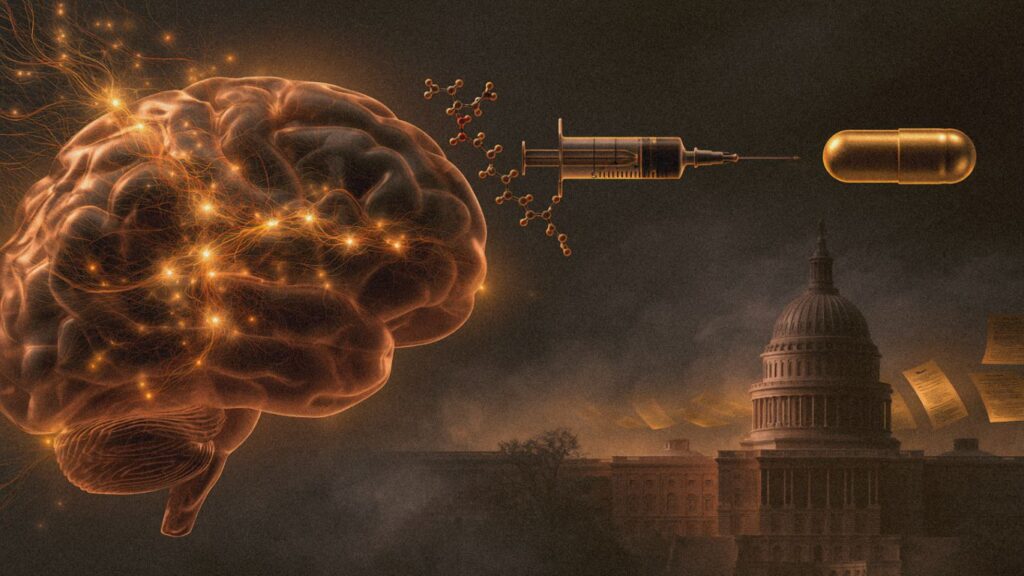

The China licensing wave just hit a new peak. On a single day, Pfizer signed a $10.5 billion deal with Innovent Biologics for 12 early-stage cancer programs and Lilly signed a partnership worth more than $3 billion with Haisco Pharmaceutical Group spanning five programs. Combined with BMS/Hengrui ($15.2 billion, 13 programs, May 12), three mega China licensing deals totaling more than $28 billion in potential value were announced within a single month. The total West-to-China licensing pipeline in 2026 now exceeds $50 billion in announced potential value across more than 37 programs when including GSK/SiranBio, AbbVie/Haisco, Merck/Kelun-Biotech, and Lilly/Hengrui via Kailera. The strategic rationale is unchanged: Chinese biotechs produce high-quality clinical-stage assets at lower development costs, and Western pharma gets pipeline optionality at a pace and scale that internal R&D alone cannot match. But the geopolitical tension is intensifying. The COINS Act push to restrict outbound capital to Chinese biotech is gaining Congressional momentum at the exact moment the deal flow is hitting record levels. The disconnect between the political rhetoric and the commercial reality has never been wider.
Top Story: Pfizer and Innovent Sign $10.5B Oncology Licensing Deal
What Happened: Pfizer and China’s Innovent Biologics agreed to a global licensing and collaboration deal worth up to $10.5 billion to co-develop 12 early-stage cancer medicines. The deal includes an undisclosed upfront payment plus development and commercial milestones. Pfizer gains rights to develop and commercialize the programs outside Greater China. Innovent retains Greater China rights. Specific targets and indications have not yet been disclosed.
Why Pfizer Is Making This Bet Now
Pfizer has been navigating a difficult strategic position since the COVID-19 revenue windfall receded. The company’s oncology pipeline has faced setbacks, including the culling of early-stage ADC programs and mixed results across several clinical programs. The Innovent deal provides 12 oncology programs in a single transaction—a portfolio-level bet that mirrors the BMS/Hengrui approach (13 programs) rather than the single-asset licensing deals that were the norm for China-to-West transactions before 2026.
Twelve programs at once means Pfizer is treating Innovent as a strategic pipeline source, not a one-off licensor. The economics of portfolio licensing work differently than individual asset deals. The cost per program is relatively modest (the total $10.5 billion divided across 12 programs implies average potential value of approximately $875 million per program, most of which is milestone-dependent). The attrition risk is diversified across multiple targets and mechanisms. If even two or three of the 12 programs produce registrational-quality data, the deal economics work.
Innovent is one of China’s most established biotech companies, with commercial products in China and an existing partnership with Lilly that predates the current licensing wave. The company has deep oncology R&D capabilities and a pipeline spanning multiple modalities including antibodies, bispecifics, and ADCs. For Pfizer, the Innovent partnership provides access to that pipeline at a stage where development risk is highest but cost per program is lowest.
The Largest China Deal of 2026
The $10.5 billion total potential value makes the Pfizer/Innovent deal the largest single China licensing transaction of 2026, surpassing BMS/Hengrui ($15.2 billion across 13 programs). While BMS/Hengrui has a higher headline value, the per-program potential value is comparable. The Pfizer/Innovent deal is also notable because it marks Pfizer’s most significant oncology pipeline move in recent years, signaling that the company views Chinese-developed assets as central to its oncology strategy rather than supplementary.
Lilly Adds $3B+ Haisco Partnership as Its 11th Deal of 2026
What Happened: Eli Lilly signed a partnership worth more than $3 billion with China’s Haisco Pharmaceutical Group spanning five programs. Specific indications have not been disclosed. This is Lilly’s 11th deal of 2026, bringing total announced deal value above $28 billion in under six months.
Haisco Becomes a Multi-Partner Licensing Platform
The Lilly/Haisco deal expands on the earlier AbbVie/Haisco Nav1.8 pain partnership and signals that Haisco has become one of the most active Chinese licensors alongside Hengrui, Kelun-Biotech, and Innovent. Having partnerships with both Lilly and AbbVie positions Haisco as a platform company that produces assets across multiple therapeutic areas attractive to different Western acquirers. The emergence of Haisco as a multi-partner licensor follows the same trajectory that Hengrui has established—starting with a single deal and expanding to multiple Western partnerships as the quality of the pipeline is validated through clinical data.
For Lilly, the 11th deal in six months extends an M&A and licensing campaign that is without precedent in pharmaceutical history. The deals now span in vivo CAR-T, narcolepsy, ADCs, myelofibrosis, gene editing, non-viral delivery, vaccines (shingles, AMR, EBV), and now five additional programs through Haisco. Total announced deal value exceeds $28 billion. The organizational challenge of integrating 11 simultaneous transactions—each with its own development timelines, team structures, and strategic objectives—is as formidable as the financial commitment. The December 7 Investment Community Meeting will need to present a coherent integration strategy that convinces investors the company can execute across this breadth without diluting focus on its core commercial franchises: Mounjaro, Zepbound, Foundayo, and the retatrutide TRIUMPH program.
The China Licensing Scorecard: $50B+ in 2026
The scale of the China-to-West licensing wave in 2026 is now quantifiable. The free-content scorecard from the email tells the story:
BMS/Hengrui: $15.2 billion, 13 programs (oncology, hematology, immunology, May 12). Pfizer/Innovent: $10.5 billion, 12 programs (oncology, June 2). Lilly/Haisco: $3 billion+, 5 programs (undisclosed, June 2). GSK/SiranBio: $1 billion, 1 program (ALK7 siRNA, cardiometabolic, May 6). AbbVie/Haisco: Undisclosed, 2 programs (Nav1.8 pain, April 29). Merck/Kelun-Biotech: Undisclosed, multiple programs (sac-TMT ADC lead, ongoing). Lilly/Hengrui (via Kailera): IPO $625 million, 4 programs (GLP-1 obesity, ongoing).
Total announced potential value across these deals exceeds $30 billion spanning more than 37 programs. Including undisclosed terms and smaller deals, the total likely exceeds $50 billion.
Why the Deals Keep Coming Despite the Political Pressure
The clinical data are the answer. Merck’s sac-TMT (Kelun-Biotech) cut progression risk by 65% when added to Keytruda in lung cancer. Akeso’s ivonescimab became the first Chinese drug in the ASCO plenary in 61 years. Hengrui presented 90-plus studies at ASCO. The data quality from Chinese biotech is now undeniable, and the pipeline depth is extraordinary. Western pharma companies facing patent cliffs—Merck with Keytruda (2028), Pfizer with multiple franchises, BMS with Eliquis and Revlimid—need assets to replace the revenue they are about to lose. Chinese biotechs have those assets.
The geopolitical risk is real. China’s Decree No. 834 gives Beijing power to scrutinize foreign commercial decisions. The COINS Act would restrict U.S. outbound capital to Chinese biotech. The BIOSECURE Act debates continue. But for now, the clinical imperative—replace patent-expiring revenue with validated pipeline assets—is overriding the geopolitical concerns. The companies signing these deals are making a calculated judgment that the regulatory risk of the COINS Act is lower than the strategic risk of not refilling their pipelines.
Our Pro brief analyzes the China licensing paradox in depth, assesses the three most likely COINS Act outcomes and what each means for existing and future deals, and maps Pfizer’s oncology rebuild through the Innovent lens. [Details below.]
GSK KIT Inhibitor Could Overtake Gleevec in GIST
What Happened: Fierce Biotech reported that GSK shared early ASCO data suggesting its KIT inhibitor, acquired through the IDRx deal, could overtake Novartis’s Gleevec (imatinib) as the standard of care for gastrointestinal stromal tumors (GIST).
Why This Matters: Gleevec has been the GIST backbone for more than two decades. It was one of the first targeted cancer therapies and transformed GIST from a rapidly fatal disease into a manageable chronic condition. But Gleevec has limitations: resistance develops over time as secondary KIT mutations emerge, and the drug’s broad kinase inhibition profile creates side effects that limit tolerability for some patients. A next-generation selective KIT inhibitor with improved efficacy against resistant mutations and a cleaner side-effect profile could capture significant share in a market that Gleevec has dominated since the early 2000s.
For GSK, which acquired the program through the IDRx acquisition, the ASCO data suggest the company may have another franchise-level oncology asset alongside its expanding immuno-oncology and cardiometabolic pipelines. CEO Luke Miels told Fierce Biotech earlier this year that oncology may offer “the most tempting targets” under GSK’s strategy of outperforming established blockbusters. The KIT inhibitor data align with that strategy precisely: identifying a well-validated target where the current standard of care has known limitations and developing a next-generation molecule designed to address them. Detailed data will inform whether GSK pursues a pivotal trial that could position the KIT inhibitor as a first-line GIST therapy.
Ivonescimab Detailed Data Draw Scrutiny
What Happened: Fierce Pharma reported that while ivonescimab’s 34% improvement in overall survival exceeded expectations, detailed data from the HARMONi-6 trial “are being picked apart” by analysts and oncologists.
Why This Matters: The scrutiny centers on three questions that will determine ivonescimab’s path to the U.S. market. First, the comparator: the control arm used tislelizumab, a PD-1 inhibitor not widely used in the U.S., rather than Keytruda. American oncologists and the FDA will want to see ivonescimab positioned against the U.S. standard of care. Second, the enrollment: HARMONi-6 enrolled exclusively Chinese patients, raising questions about generalizability to Western populations with different genetic backgrounds, comorbidity profiles, and treatment patterns. Third, the mechanism: whether the PD-1/VEGF dual blockade produces a fundamentally different clinical benefit or simply augments a modest PD-1 effect through VEGF inhibition, which has historically produced incremental rather than transformative benefits in lung cancer.
Summit Therapeutics, the U.S. partner, will need to address each of these concerns as it plans its regulatory strategy. The data are impressive at the headline level—an OS hazard ratio of 0.66 is a 34% reduction in death risk, which exceeds what most oncologists expected from a bispecific in this setting. But the translation from impressive Chinese data to a U.S. FDA filing requires either demonstrating that the results are generalizable across populations or conducting a confirmatory trial that directly addresses the methodological concerns. The path Summit chooses—and the resources it has to execute that path—will determine whether ivonescimab reaches U.S. patients within the next two to three years or faces a longer development timeline.
Strategic Themes
1. Three Mega China Deals in One Month Makes the Licensing Wave Undeniable
BMS/Hengrui (May 12). Pfizer/Innovent (June 2). Lilly/Haisco (June 2). Three deals totaling more than $28 billion in potential value across 30 programs in a single month. This is not a trend—it is a structural reallocation of pharmaceutical R&D sourcing from internal Western development to external Chinese innovation. The companies executing these deals include some of the largest and most sophisticated in the industry. They are making a clear strategic judgment that the clinical value of Chinese assets outweighs the geopolitical risk of partnering with Chinese companies.
2. The COINS Act Faces a Growing Disconnect with Commercial Reality
Congressional momentum to restrict outbound capital to Chinese biotech is real. But the deal flow says the opposite: $50 billion-plus in China licensing value in 2026 alone. The companies signing these deals—Pfizer, Lilly, BMS, Merck, GSK, AbbVie—employ hundreds of thousands of people, pay substantial taxes, and generate the products that patients depend on. Restricting their ability to access the most productive source of clinical-stage innovation on earth would have consequences that extend well beyond any single deal.
The fundamental tension is that the clinical imperative and the political imperative point in opposite directions. The patent cliff is creating hundreds of billions in revenue exposure that must be replaced through external innovation. Chinese biotechs are producing that innovation at a quality level validated by Phase 3 data, ASCO plenary selections, and NEJM publications. The COINS Act would restrict the capital that enables these partnerships. The question for legislators is whether the geopolitical benefit of restricting China-West biotech collaboration outweighs the clinical and commercial cost of constraining the pipeline that produces new medicines for U.S. patients.
3. Lilly’s 11th Deal in Six Months Pushes the Boundary of What a Single Company Can Execute
$28 billion-plus in committed capital across 11 transactions spanning eight therapeutic areas (obesity, oncology, cell therapy, narcolepsy, gene editing, myelofibrosis, vaccines, and now five undisclosed Haisco programs). No pharmaceutical company has attempted this volume and breadth of dealmaking in a comparable timeframe. The December 7 Investment Community Meeting will be the most important strategic presentation in Lilly’s history—management will need to convince investors that organizational bandwidth exists to integrate and advance all of these programs simultaneously.
4. GSK May Have a Third Franchise-Level Asset Emerging from M&A
Shingrix ($5.6 billion). Baxfendy ($5 billion peak sales projected for AstraZeneca, but GSK has its own cardiometabolic pipeline via SA030). And now the IDRx KIT inhibitor potentially displacing Gleevec in GIST. GSK’s acquisition strategy—targeting specific therapeutic niches where next-generation mechanisms can displace established standards of care—is producing assets that could individually become multi-billion-dollar franchises.
Frequently Asked Questions
What is the Pfizer/Innovent deal?
A global licensing and collaboration deal worth up to $10.5 billion to co-develop 12 early-stage cancer medicines. Pfizer gets rights outside Greater China. Innovent retains Greater China rights. Specific targets have not been disclosed. This is the largest single China licensing transaction of 2026 by total potential value.
What is the Lilly/Haisco deal?
A partnership worth more than $3 billion spanning five programs. Indications have not been disclosed. This is Lilly’s 11th deal of 2026, bringing total announced value above $28 billion. Haisco also has an existing partnership with AbbVie on Nav1.8 pain inhibitors.
How much has been committed in China licensing deals in 2026?
More than $30 billion in announced potential value across 37-plus programs from BMS, Pfizer, Lilly, GSK, AbbVie, and Merck. Including undisclosed terms, the total likely exceeds $50 billion.
What is the COINS Act?
Legislation that would restrict U.S. outbound capital flows to Chinese companies in designated sectors. A growing Congressional coalition wants biotechnology added. If enacted, it could affect future China licensing deals and complicate existing partnership structures.
What is the GSK KIT inhibitor data?
Early ASCO data suggesting GSK’s KIT inhibitor (from the IDRx acquisition) could overtake Novartis’s Gleevec as the standard of care in gastrointestinal stromal tumors. Gleevec has been the GIST backbone for more than two decades.
What is the ivonescimab scrutiny about?
Analysts are questioning the comparator (tislelizumab, not Keytruda), the Chinese-only enrollment, and whether the PD-1/VEGF mechanism truly offers a transformative benefit. Summit Therapeutics will need to address these concerns for the U.S. regulatory strategy.
What conference is next?
Jefferies Global Healthcare Conference opens tomorrow (June 4) in New York. ADA 2026 with GLP-1 obesity data is also upcoming. BIO International Convention runs June 22 to 25 in San Diego.
BioMed Nexus Pro — What Institutional Subscribers Are Reading Today
The $50B China Pipeline. We analyze why Western pharma is licensing at record pace despite the COINS Act threat, assess the three most likely legislative outcomes and what each means for existing and future deals, and evaluate whether the current deal window is narrowing.
Pfizer’s Oncology Rebuild. We assess how 12 Innovent programs fit Pfizer’s broader pipeline reconstruction, compare the portfolio approach to BMS/Hengrui and Lilly/Haisco, and model what successful development of even two or three programs would mean for Pfizer’s growth trajectory.
Lilly: 11 Deals, $28B+, Six Months. We compile the complete running total of Lilly’s 2026 M&A campaign across all 11 transactions and assess whether the organizational bandwidth exists to integrate this many deals simultaneously while running Foundayo, Zepbound, the retatrutide TRIUMPH program, and six-deal vaccine/gene therapy integration.
Plus: GSK KIT inhibitor franchise potential, ivonescimab U.S. regulatory scrutiny, Jefferies preview, and the updated catalyst calendar through H2 2026.
About BioMed Nexus
BioMed Nexus delivers institutional-grade intelligence to biotech and pharma executives, investors, and clinicians. Our daily briefings and deep-dive analyses cut through the noise to deliver the strategic insights that drive better decision-making in the life sciences.
Subscribe to receive daily updates and gain access to BioMed Nexus Pro institutional intelligence briefs.